

If you are learning how to tell if pressure canner is safe for spawn for under $100, you are really asking how to avoid contamination without overspending. You need a vessel that holds steady pressure for grain, fits your jars, and has clear safety controls. Your species, batch size, budget, and experience level shape that choice, whether you run oyster grain for small bags or rye for larger bulk runs.
This guide walks through the decision framework we use when we compare sterilization gear for home growers. You will learn what to check first, which specs matter for spawn, and which tradeoffs are worth accepting on a tight budget. You can also browse our Sterilization & Pasteurization archive for related explainers as you plan your setup in November 2026.
What Actually Matters
Pressure Control, Gauge Clarity, and Steam Management
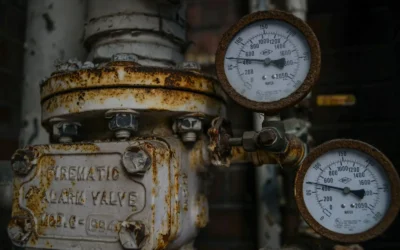
For grain spawn, steady heat under pressure matters more than raw size. You want a canner that reaches and holds the target pressure without constant fiddling, plus a dial you can read at a glance from across the kitchen. Growers commonly report sterilizing grain at around 15 PSI for an extended cycle, so pay close attention to how a gauge is marked and how pressure is released.
A deluxe pressure dial gauge is especially helpful if you live at altitude, because processing pressures need precise adjustment. You should also look for a quick pressure release valve plus a separate safety relief valve, so steam has more than one managed path. If the gauge is small, foggy, or hard to zero, you will struggle to confirm a full sterile cycle.
Capacity and Jar Compatibility for Spawn Runs
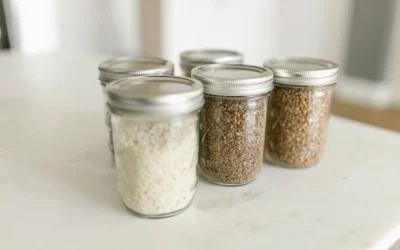
Think in jars, not just quarts. Pint-size jars heat through quickly and suit beginners, while quart-size jars give you more spawn per cycle but need careful loading and longer heat penetration. Growers commonly report running mixed batches of pints for masters and quarts for bulk, so choose a pot tall enough to allow proper steam flow around every jar.
Double stacking can double output, but only if the canner includes a sturdy rack and enough headroom to keep jars off the bottom and away from each other. Look for a removable cooking and canning rack that elevates jars for circulation and prevents direct contact with the base. If jars touch the metal or crowd the lid, you risk uneven heating and cracked glass.
Safety Hardware, Materials, and Lid Design
A spawn-safe canner should have a secure locking lid, a reliable gasket, and clearly visible safety devices. At minimum, you want an easy to read pressure gauge, a controllable release valve, and an independent safety relief valve that vents if pressure climbs too high. The lid should close with a positive lock and stay sealed without forcing or cross threading.
Most budget models use food grade aluminum for fast, even heat distribution with less weight than steel. That helps reduce hot spots and makes the pot easier to lift when loaded with jars and water. The tradeoff is that thin aluminum can dent if dropped, and the gasket and gauge need regular cleaning and visual checks to stay reliable.
Stove Fit, Weight, and Ease of Use
Check your stove before you fall in love with a size. A wide 23-quart body works well on many gas and coil electric burners, but you must confirm stability, burner diameter, and manufacturer guidance for your cooktop. Handles should stay cool enough to grip with mitts, and the base should sit flat without rocking.
Weight matters when you add water plus a full load of grain jars. Aluminum keeps the empty pot manageable, yet a full canner is still heavy and awkward to move. Choose a model you can load, monitor, and clean comfortably, with simple parts you can rinse and dry after each run.
To show how these features look in practice, here are a few options that show the range for small home setups. Use them to compare gauge style, stated jar capacity, and safety parts side by side:
This article contains affiliate links. If you buy through one of our links, FungiPop may earn a commission at no extra cost to you. Commissions never influence which products we recommend or how we rank them. Read our Affiliate Disclosure for details.
Quick Picks at a Glance

Prime Barton 23 Quart Pressure Canner & Cooker
As an Amazon Associate we earn from qualifying purchases. Product prices and availability are accurate as of the date/time indicated.
Pros
- Extra large 23-quart capacity ideal for bulk home canning
- Fast, even heating from polished food grade aluminum body
- Easy to read pressure gauge plus dual valves for safer monitoring
- Comes ready to use with canning rack for standard mason jars
- Sturdy twist lock lid creates a reliable seal for consistent pressure
Cons
- Large 13.5 x 18.75 inch footprint needs a strong gas burner and ample storage space
- Manual stovetop operation requires close monitoring, not set and forget like electric models
- Aluminum body requires hand washing and is best suited for gas stovetops rather than induction
The Barton 99910 is a 23-quart stovetop pressure cooker and pressure canner designed for high volume home preserving. It suits gardeners, hunters and homesteaders who want to can seasonal produce, meats, seafood, beans and soups in large batches.
Its standout advantage is capacity, handling up to 16 pint jars or 9 quart jars at once, with double stacking for half pints. The deluxe dial gauge, quick release valve and included canning rack support accurate pressure control and even heat circulation for consistent results.
Built from polished, food grade aluminum with a brushed finish, it heats quickly and evenly while staying lighter than steel alternatives. The twist locking lid, secure seal and 13.5 by 18.75 inch body feel sturdy and practical for regular stovetop use.
The tradeoffs are size and manual operation. It needs a powerful gas burner and generous storage space, and beginners will need practice to monitor pressure, lock the lid and vent steam correctly.
Overall, this is a practical, large capacity workhorse for home canning and pressure cooking. If you want a gas compatible canner for bulk preserving with standard mason jars, the Barton 23 quart is a strong fit.
The Barton 99910 is built for stovetop pressure cooking and water bath or pressure canning with a focus on capacity and safety.
- Capacity: 23 quarts, holds up to 16 pints, 26 half pints double stacked, or 9 quarts
- Model Number: 99910, Brand: Barton, Color: Silver
- Material: Polished food grade aluminum with brushed finish
- Dimensions: 13.5 inch D x 18.75 inch W x 12.5 inch H
- Closure: Twist locking lid with pressure gauge, quick release valve and safety relief valve
- Compatibility: Gas stovetop compatible, fits standard mason jars, includes removable canning rack
- Operation: Manual control for pressure cooking and home canning
Matching Gear to Your Grow
If you are starting with oysters or lions mane in a small kitchen, focus on control over volume. The presto pressure cooker for grain spawn roundup is a useful reference point, and the Barton 23 Qt Pressure Cooker & Pressure Canner illustrates what a budget large body offers. It is listed as a 23-quart aluminum canner with a built in dial gauge, locking lid, release valve, safety relief valve, and canning rack, with room for up to 16 pint-size jars or 9 quart-size jars at a time.
If you plan weekly monotub or bulk bag runs, stacking ability becomes the priority. That same Barton 23 Qt Pressure Cooker & Pressure Canner notes space for 26 half pint-size jars when double stacked, which helps if you like to run many small masters at once. You should always follow the manufacturer’s own instructions for your specific unit, never leave it unattended while pressurized, and let the pressure release naturally before opening the lid. Pair that workflow with clean spawn bags from our Grow Bags, Spawn Bags & Liquid Culture section to keep transfers tidy.
If you rent, have limited storage, or only run a few jars per month, a tall 23-quart pot might feel bulky. You might prefer to start with fewer quart jars per cycle, master your venting and timing routine, and upgrade later once your demand is steady. A smaller load that you run correctly will beat a packed canner with cold spots every time, and it keeps lifting and cleanup safer.
Common Mistakes
Mistake 1: Overfilling or underfilling jars and the pot. You should fill grain jars about three quarters full to allow shaking, and keep lids loose enough to vent but shielded with foil. Too little water risks a dry boil, while too much water can flood filters and slow steam flow.
Mistake 2: Forcing the pressure release to save time. Cracking the valve early or running cold water over the lid can cause jars to boil over, suck in unfiltered air, or crack. Let the pressure release naturally, wait until the gauge reads zero, then open with the lid tilted away from you.
Mistake 3: Starting the timer before the canner is fully vented and at pressure. Many beginners skip the steady steam vent and start counting too soon, which leaves air pockets and uneven heat. Vent as directed, bring the gauge to your target zone, then start timing, and keep notes so you can repeat good runs.
Who Should Wait or Buy Differently
A large budget aluminum canner is not ideal for growers who only buy ready to fruit kits, have an unverified cooktop match, or need high volume commercial throughput with validated controls. If you grow one kit at a time, focus first on fresh air and humidity with our mushroom grow tent on a budget guide, and only invest in sterilization gear once you are making grain on a regular schedule.
Frequently Asked Questions
Can a budget canner sterilize grain spawn reliably?
It can if it holds stable pressure, seals well, and has a readable gauge plus working safety valves. Growers commonly report success when they allow a full vent, hold target pressure for the full cycle, and let jars cool inside before moving them. If the gauge drifts or the gasket leaks, address that before trusting grain batches.
What size canner do I need for spawn jars?
Match size to how much spawn you use per week and how often you want to run it. As an example, a 23-quart model that holds up to 16 pint-size jars or 9 quart-size jars suits many home growers doing one or two runs per week. If you only need four to six jars, a full load every other week is often easier than buying bigger.
Is a pressure cooker the same as a pressure canner for mycology?
Not exactly, though the terms overlap on budget listings. Canners are usually taller to fit mason jars on a rack with steam space, while small cookers may fit fewer jars or lack a precise dial. For spawn, favor a canner style body with a gauge, locking lid, release valve, and safety relief features.





Write Your Review
No reviews yet. Be the first to share your experience!