

If you are learning how to revive a slow mushroom grow kit for wine cap, you are probably looking at a bed, planter, or bucket that seems stuck with little white growth and no pins. Wine cap, also called king stropharia, is a garden species that can pause for a long stretch when water, food, or shade are off, so slow does not always mean failed.
Your decision comes down to four variables: the species behavior of wine cap outdoors, the size of your bed or container, your budget for refill spawn or helpers, and your experience level with clean handling versus simple garden work. As of November 2026, most revival success comes from fixing the bed first, then choosing a refill format that fits your setup. You can explore more options in our Species-Specific Grow Kits archive while you assess your kit.
What Actually Matters
Before you buy anything, it helps to understand why wine cap stalls. Unlike fast indoor species, wine cap lives in wood chips and straw and moves at a garden pace. What you choose should support that biology with moisture, fresh food, and viable spawn.
Inoculant Format and Where It Belongs
Liquid culture, grain spawn, and dry outdoor blends all carry the same species but they belong in different places. Liquid culture is a small volume of active mycelium in solution that you expand onto sterilized grain or clean straw if you have careful technique. Grain spawn gives you colonized kernels that act as many small launch points when mixed into pasteurized straw or fresh chips.
Dry spawn blends mixed with nitrogen and pH support are built for direct outdoor use in gardens, mulch, and wooded areas, not for agar plates or indoor jars. If your original kit is outdoors and looks patchy, adding more of the wrong format rarely helps. Learn the differences in our Grow Bags, Spawn Bags and Liquid Culture guide so you match the refill to your bed, not just to the label.
Moisture, Shade, and Fresh Food
Most slow wine cap beds are dry, compacted, or out of food rather than dead. You want chips that feel damp like a wrung sponge through the whole layer, not just wet on top. Shade during the warm part of the day, good drainage underneath, and loose material that lets air move will do more for revival than any bottle or bag alone.
When you lift the mulch, you should smell earthy wood, not sour or ammonia notes, and you should see pale threads spreading if the mycelium is still alive. If water pools or the surface stays soggy, you risk bacterial issues and mold that can stall wine cap further. Our primer on how to prevent mold from too much humidity explains how to keep things damp without soaking a fresh flush.
Viability and Clean Handling
Wine cap mycelium loses vigor when it sits warm, dry, or dirty for a long period. You want spawn that was kept cool, sealed, and handled with clean hands and tools, then used promptly once opened. Shake liquid cultures to distribute the mycelium evenly before use, and avoid opening grain bags in dusty or windy areas where competitors can settle.
Pay attention to what the seller says about storage and outdoor use. A blend meant for outdoor beds or cold pasteurization methods is not interchangeable with a culture meant for sterile grain work. If directions call for outdoor use only or warn against heat sterilized substrates, follow that closely or you may weaken the very mycelium you are trying to save.
Bed Size and Timing Expectations
Wine cap needs room and time. A small planter may only need a modest refresh of chips and a light reseed, while a wide garden bed with old, broken down mulch often needs a larger volume of spawn and a fresh top layer to restart. Buying too little for a large bed is a common reason a revival looks like it failed when it was simply under seeded.
You should also plan around seasons rather than days. Growers commonly report that outdoor wine cap can sit quiet through dry or cold spells and then surge after steady rain and mild weather. If your bed still shows white threads and smells fresh, patience plus moisture and food is often the right move before you spend on more gear.
Here are a few options that show the range from germination helpers to outdoor-ready spawn so you can see how format and scale differ:
This article contains affiliate links. If you buy through one of our links, FungiPop may earn a commission at no extra cost to you. Commissions never influence which products we recommend or how we rank them. Read our Affiliate Disclosure for details.
Quick Picks at a Glance

Prime MycoLabs Quick Culture Mini Liquid Culture Jars
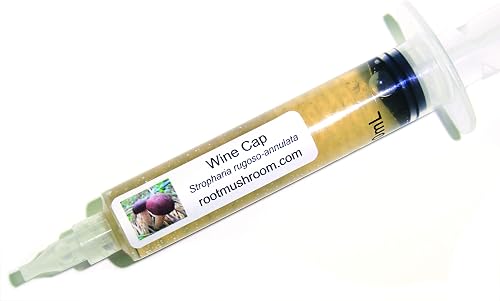
Prime Root Mushroom Farm Wine Cap Mushroom Liquid

Prime Wine Cap Mushroom Dry Spawn for Outdoor Gardens

Prime LiquidFungi Wine Cap Mushroom Grain Spawn 1 lb
As an Amazon Associate we earn from qualifying purchases. Product prices and availability are accurate as of the date/time indicated.
Pros
- Pre-sterilized jars help reduce contamination risk for beginners
- 3-jar set allows for testing, backups, and repeat attempts
- Includes alcohol prep pads so no extra sterile supplies to source
- Small 30ml size is efficient for hobby scale germination work
- Solid user rating in Gardening and Lawn Care category
Cons
- 30ml mini size is for starter cultures only, not large volume production
- Requires careful sterile technique to avoid contamination during use
- Glass jars need careful handling and proper storage to prevent breakage
The MycoLabs Quick Culture Mini set includes three 30ml sterilized liquid culture jars made to help spores germinate before grain inoculation. It is designed for hobby growers and mycology beginners who want more control over early stage results.
The core benefit is isolation of variables, so you can confirm viable germination in liquid before committing grain spawn. In real world use, this approach helps reduce stalled jars and builds confidence when moving to the next growing step.
Each jar arrives sterilized and ready to use, with alcohol prep pads included for cleaner handling. The compact glass construction feels sturdy, and the kit footprint keeps storage simple without extra lab equipment.
The 30ml size is intentionally small, so it works best for starter cultures rather than large batch production. Beginners will still need good sterile technique, as liquid culture remains sensitive to contamination if handled carelessly.
Overall, this 3-pack is a practical, low commitment way to improve consistency and learn germination fundamentals. If you want cleaner starts and backup cultures on hand, it is a smart addition to your growing toolkit.
Brand: MycoLabs, Model: QCP3, Quantity: 3 sterilized liquid culture jars at 30ml each.
Dimensions: 9 x 2.5 x 2.5 inches, Weight: 9.9 ounces, Includes sterile alcohol prep pads for handling.
Category: Gardening and Lawn Care, Purpose: Spore germination starter prior to grain spawn colonization.
Pros
- Live liquid mycelium offers faster colonization than spore syringes
- Sterile lab production with batch testing helps reduce contamination
- Great entry point for beginners growing Wine Caps outdoors
- Simple 10cc syringe format is easy to handle and apply
- Satisfaction guarantee adds buying confidence
Cons
- Requires proper substrate prep and temperature control for success
- Single strain only, not ideal if you want variety in one purchase
- Still requires clean technique during inoculation to avoid contamination
Root Mushroom Farm offers a 10cc liquid culture of Wine Cap, also known as Stropharia rugoso-annulata, for home cultivation. It is made for hobby growers, gardeners and permaculture fans who want to establish productive outdoor mushroom beds.
Unlike a spore syringe, this contains actively growing mycelium suspended in a liquid solution for a quicker start. You shake the syringe to evenly distribute the mycelium, then inoculate your prepared substrate and incubate at 70 to 78F.
The culture is produced in a sterile lab and each batch is tested before being added to inventory. The lightweight 10cc syringe format is easy to handle, store short term and apply, even for first time growers.
Results still depend on clean technique, correct substrate and fruiting temps around 60 to 70F. Beginners will need to learn basic Wine Cap bed prep with wood chips or straw to get reliable colonization.
Overall, this is a practical and beginner friendly way to start growing Wine Caps at home. If you want a clean, live culture from a dedicated mushroom supplier with satisfaction support, this is a solid choice.
Strain: Wine Cap, Stropharia rugoso-annulata, live liquid mycelium culture.
Volume: 10cc syringe of actively growing mycelium in sterile liquid solution.
Colonization Temp: 70 to 78F, Primordia and Fruiting Temp: 60 to 70F.
Package: 9 x 2 x 2 inches, 3.2 ounces, includes what you need for substrate inoculation.
Shake the syringe well before use to break up and evenly distribute the mycelium in the liquid.
Use clean hands, clean tools and prepared wood chips, straw or garden bed substrate for best results.
Keep colonization warm and steady, then provide cooler, moist and shaded conditions to trigger fruiting.
Pros
- Easy outdoor setup with no special lab equipment or sterilization needed
- Works in multiple natural mediums including garden soil, wood mulch and wooded areas
- Added boosters help support colonization success in outdoor conditions
- Low maintenance growth habit suited for beginners and home gardeners
Cons
- Results can be inconsistent since growth depends heavily on weather, moisture and timing
- Outdoor use only, not compatible with heat sterilized substrates, agar or liquid culture
- Generic branding with limited detailed instructions for first time mushroom growers
This dry spawn is dormant Wine Cap mycelium blended with supplements, made for outdoor planting in garden beds, mulch and wooded spots. It is aimed at home gardeners and beginners who want to start a mushroom patch without indoor sterile work.
Standout features include the added nitrogen booster, pH booster and supplementation to help mycelium establish in natural wood mulch and soil. In real world use, it stays dormant until moisture and temperature are right, which allows plant anytime flexibility but also means patience is required.
The blend is formulated for cold pasteurization and natural outdoor colonization rather than lab methods, which keeps the process simple. The 1.44 ounce size and low maintenance, partial shade design make it well suited for small trial beds, potted plants and spring season gardens.
The main limitation is consistency, as outdoor success depends on fresh wood chips, shade, moisture and proper application. It is also strictly outdoor use only and will not work for heat sterilized substrates, agar plates or liquid culture projects.
Overall, this is a convenient starter for gardeners curious about Wine Caps who understand outdoor variables. If you have a shady mulch bed and realistic expectations, it offers an easy, low effort way to try establishing your own harvest patch.
Product Type: Dormant Wine Cap mushroom dry spawn with nutrient supplementation for outdoor use.
Best Use: Gardens, wood mulch beds, potted plants and woodland areas in partial shade with spring fruiting.
Usage: Outdoor and cold pasteurization methods only. Not for heat sterilized substrates, agar or liquid culture.
Features: Low maintenance formula with nitrogen booster and pH booster, 4 inch expected height, 1.44 ounce unit.
Choose fresh hardwood mulch or wood chips in a shady, moist garden spot for best colonization. Avoid treated lumber, cedar or pine heavy beds that can slow Wine Cap growth.
Keep the bed consistently moist after application, especially in the first weeks, and be patient for natural conditions to trigger growth. Spring and fall moisture often give the best establishment.
Start small with this trial size to learn your site before expanding to larger beds. If you want lab cultivation or indoor sterile growing, choose a different liquid culture or grain spawn product instead.
Pros
- Certified organic rye berry base designed for fast colonization
- Versatile format works for home gardens and larger bulk substrate operations
- Well suited for low maintenance outdoor beds using wood chips and straw
- Produces big, meaty caps prized for rich flavor when sauteed or grilled
Cons
- Buyer feedback notes inconsistent colonization with some bags arriving with little visible mycelium
- Requires clean transfer technique, ideally a flow hood, so it is less forgiving for complete beginners
- Outdoor Wine Caps are seasonal and depend on moisture, shade, and proper bed prep for success
LiquidFungi Wine Cap Mushroom Grain Spawn is a 1 lb bag of King Stropharia mycelium grown out on organic rye berries. It is made for gardeners, homesteaders, and small commercial growers who want to start outdoor beds or expand into bulk substrate quickly.
The concept is simple. Break up the colonized grains and mix them into pasteurized straw or use them for grain to grain transfer in a clean workspace. When conditions are right, Wine Caps produce large reddish brown caps with firm white flesh that cooks well sauteed in butter or grilled.
Build quality centers on the organic rye base, which holds moisture well and gives mycelium plenty of nutrition for aggressive growth. The 1 lb size is practical for inoculating several bulk bags or a modest garden bed without excess waste.
Real world performance is mixed based on buyer feedback. Some users report bags with loose grains and little visible growth that never fruited, which points to viability and consistency concerns. Success also depends heavily on sterile handling, fresh spawn, and a properly prepared outdoor bed with shade and moisture.
Verdict: this spawn offers a convenient path to gourmet Wine Caps for growers with the right setup and experience. Check the bag on arrival for firm, colonized grains and use it promptly with good sterile practice for the best chance of success.
Strain: Wine Cap, King Stropharia, Stropharia rugosoannulata for gourmet outdoor growing.
Spawn medium: 100 percent certified organic rye berries, fully colonized and ready to use.
Weight and size: 1 lb bag, ships in a compact 4 x 4 x 4 inch package.
Best uses: grain to grain transfer and pasteurized straw or wood chip bed inoculation.
Matching Gear to Your Grow
Use these scenarios to match your situation to the right refill style. Focus on where your kit lives now and how much clean work you want to do.
Scenario 1: Your outdoor bed started, then stalled in dry weather. Check shade and water first, fluff the chips, and add fresh hardwood mulch mixed with straw. For reseeding, Wine Cap Mushroom Seed/Dry Spawn is made for this exact use, with added nitrogen and pH support for gardens and mulch. The trade off is that it is for outdoor use only and is not suitable for heat sterilized substrates, agar, or liquid culture work, so do not buy it if you wanted an indoor grain project.
Scenario 2: Your spore start never colonized grain and you suspect germination trouble. Instead of guessing, you can isolate variables with Quick Culture Mini Spore Germinating Liquid, which includes three sterilized jars at 30ml each plus alcohol prep pads for careful handling. This approach adds steps and requires tidy technique, and it will not fix an outdoor bed that is simply dry, so skip it if you want a direct sprinkle and done refill.
Scenario 3: Your patch is large or you want a vigorous re inoculation with active mycelium. Root Mushroom Farm- 30 Mushroom Liquid Cultures provides 10cc of active mycelium in solution that you shake to distribute, with listed colonization around 70 to 78 degrees and primordia formation around 60 to 70 degrees. You will still need clean substrate and proper bed prep, and liquid culture demands more care than grain, so pair it with fresh chips and realistic timing. For comparison on bag based spawn approaches, see our north spore vs lions mane spawn bag.
Scenario 3b: You prefer ready to mix kernels with no expansion step. Wine Cap Mushroom Grain Spawn comes as a 1 lb. bag that is ready to use for grain to grain transfer or pasteurized straw inoculation. That size suits planters, buckets, and small bed repairs, but it can be light for a wide garden bed, and you will still need to keep the bed damp and shaded after mixing.
Common Mistakes
Mistake 1: Soaking a dry bed all at once and then sealing it tight. A sudden flood followed by no airflow can suffocate mycelium and invite sour smells. Rehydrate in passes, let excess drain, and keep the top layer loose so air can reach the threads.
Mistake 2: Using the wrong spawn in the wrong place. Putting an outdoor dormant blend onto sterilized grain or agar, or squirting liquid culture directly onto old dry bark with no fresh food, wastes viable material. Match liquid to grain expansion, grain to straw or chips, and outdoor blends to soil level mulch beds.
Mistake 3: Digging up the bed every few days to check for growth. Wine cap threads are delicate and dry out fast when exposed. Lift a small corner only when needed, then cover it back promptly and leave the bed alone to colonize.
Who Should Wait or Buy Differently
If your bed smells rotten, shows thick green or black mold through the whole layer, or sits in standing water with no drainage, buying more spawn now is not ideal for you and is not a good fit until you rebuild the bed with fresh chips, better drainage, and shade. Indoor growers without any outdoor space should also buy differently and choose a species suited to monotubs or tents rather than trying to force wine cap to fruit inside.
Frequently Asked Questions
Can a dry wine cap bed come back?
Often yes if white mycelium is still present and the material smells earthy. Rehydrate gradually, add fresh damp chips and straw, restore light shade, and then reseed lightly if growth does not resume after steady moisture.
Should you add water or more spawn first?
Add water and fresh food first, because new spawn cannot colonize dry or spent mulch. If the bed stays damp and airy but shows no new spread after a stretch of mild weather, then add a refill format that fits your bed size and skill level.
How do you know the revival worked?
Look for fresh white threads binding chips together, a pleasant mushroomy smell, and faster moisture retention in the bed. Fruiting still depends on season and rain, so steady colonization is your early sign that the revival took hold.



Write Your Review
No reviews yet. Be the first to share your experience!