

If you are wondering how long to pressure cook grain spawn jars for beginners, you are really asking how to get sterile grain without burnt sugars, wet spots, or surprise contamination a week later. The decision comes down to four variables: the species you want to grow, your batch size and jar size, your budget for equipment, and how much in-depth prep you want to do.
This buying guide walks you through those choices in plain language, so you can match timing, jar style, and grain type to your first grow. You will also see when it makes sense to buy pre-sterilized jars or bags while you learn. Always follow the manufacturer’s own instructions for your specific unit, never leave it unattended while pressurized, and let the pressure release naturally before opening the lid. For broader context, browse the Sterilization and Pasteurization guides.
What Actually Matters
Jar Size, Grain Type and Fill Level
Small jars heat through faster than large jars, and dry grains hydrate differently than pre-soaked grains. For your first run, smaller jars are more forgiving because heat reaches the center more evenly and you can spot a wet or sour jar before it ruins a whole batch.
Fill level matters as much as size. Growers commonly report leaving generous headspace, with grains loose and room to shake, rather than filling to the shoulder. Overfilled jars often stay soggy in the middle, while severely underfilled jars dry out and colonize slowly.
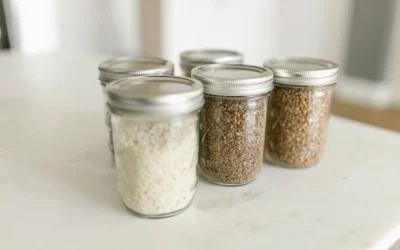
Grain choice also changes prep. Whole oats, rye, millet, and milo sorghum each absorb water at a different rate, so your soak and simmer routine should match the grain, not just the clock. The example 500ML jars measuring 3.5×5 inches are a helpful reference point for beginners because they are easy to load, easy to shake, and fit well in most canners.
Reaching Full Pressure and Holding It Steady
Time at pressure only counts once your canner is truly at pressure, not while it is heating up or venting steam. Beginners often start the timer too early, which is one of the most common reasons for contamination that shows up days later. Let the unit vent steadily first, then bring it to pressure and only then start counting.
Growers commonly report cooking quart-size grain jars for around 90 minutes once at full pressure, with smaller jars needing less time and larger jars or bags needing more. Growers commonly report using standard sterilization pressure for grain, and they extend time slightly at higher elevation or with very dense loads. Use these community ranges as a starting point and follow a trusted recipe from a cultivation book for your exact setup. The Presto 23-Quart vs Instant Pot comparison explains why a true pressure canner holds steady heat better than a kitchen cooker for this job.
Stability matters more than speed. A burner that surges and drops will give you uneven results even if the total time looks right. Choose a heavy canner, a reliable heat source, and a calm workspace where you can monitor the gauge without distractions.
Lid Type, Filter and Foil Protection
Your lids control gas exchange and keep extra water out during cooking. A lid with a filter patch or filter disc plus a self-healing injection port lets you inoculate later without opening the jar, which lowers contamination risk for beginners.
Cover lids loosely with foil before cooking to keep condensation from dripping in through the filter. Tighten bands only to fingertip tight, so pressure can equalize, then tighten after cooling if needed. After cooking, keep foil on until jars are fully cool and dry on the outside.
Water level and rack placement are part of the timing equation. Keep jars off the bottom on a rack, add enough water to make steady steam for the whole run without boiling dry, and avoid letting jars sit in rolling boiling water. If your canner runs dry, timing no longer matters because heat distribution fails.
Cooling, Handling and Knowing When to Skip DIY
Cool down is part of sterilization. A fast cold-water release can suck unfiltered air into jars, crack warm glass, and leave centers under-processed. Plan for a slow, natural cool down inside the closed canner, then move jars to a clean counter without tilting them.
Handle cooled jars by the glass, not the filter, and check for cracked lids, wet filters, or grains plastered to the glass. If a jar smells sour, looks slimy, or has excess free water pooling, do not inoculate it. It is cheaper to recook or discard one suspect jar than to waste culture on it.
Beginners do not have to pressure cook on day one to learn the hobby. Pre-sterilized grain, ready-to-inoculate jars, and clear step-by-step books let you practice inoculation and colonization first. Once you have seen healthy mycelium, investing in your own canner feels much less risky.
To make these ideas concrete, here are a few options that show the range from learning resources to ready-to-use jars and bulk grain. We evaluated them for beginner fit, ease of sterile handling, and how well they illustrate timing choices.
This article contains affiliate links. If you buy through one of our links, FungiPop may earn a commission at no extra cost to you. Commissions never influence which products we recommend or how we rank them. Read our Affiliate Disclosure for details.
Quick Picks at a Glance

Prime Mushroom Cultivation for Beginners

Prime BEIXIFO 6-Pack 500ML Mushroom Liquid Culture Jars

Prime Mushroom Spawn Production

Prime Out-Grow BRF Brown Rice Flour Mushroom Substrate
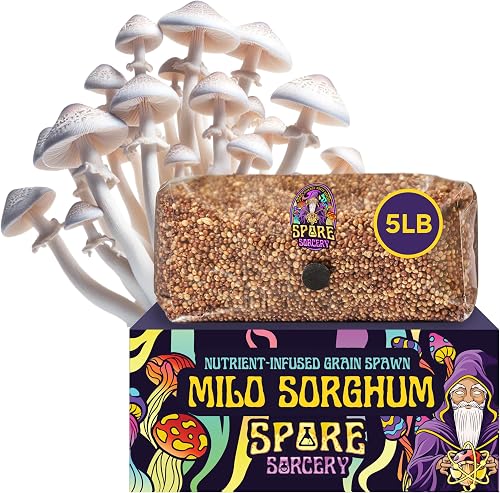
Prime Spore Sorcery 5 LB Sterilized Milo Sorghum Grain
As an Amazon Associate we earn from qualifying purchases. Product prices and availability are accurate as of the date/time indicated.
Pros
- Clear, conversational writing that makes cultivation approachable for complete beginners
- Broad coverage of gourmet and medicinal varieties for both indoor and outdoor growing
- Practical DIY projects and fruiting chamber builds for low investment setups
- Includes spawn making, substrate prep, pasteurization and storage guidance in one book
Cons
- Lacks deep scientific detail on sterilization that advanced growers may want
- Focuses on gourmet and medicinal types, with limited coverage of other categories
- Some readers may want more troubleshooting visuals for fixing contamination issues
Mushroom Cultivation for Beginners by Michael York is a 179-page step-by-step guide for growing gourmet and medicinal mushrooms at home, indoors and outdoors. It is written for complete novices who want clear instructions without heavy scientific jargon.
Standout coverage includes spawn production, substrate selection and prep, inoculation, incubation, fruiting and storage. Readers praise the 10 low investment DIY projects and practical builds for Monotubes, Shotgun chambers, Martha setups and grow tents for controlling humidity, light and airflow.
The book is well structured with conversational language, easy to follow stages and comparison guidance on difficulty, substrate, temperature and harvest timing. Its compact 6 by 9 inch paperback format makes it easy to reference in the kitchen, garage or garden workspace.
It is not an advanced mycology manual, so experienced growers may find sterilization and troubleshooting coverage too basic. It also stays focused on edible gourmet and medicinal varieties, so those seeking other types will need additional resources.
Overall, this is an excellent starter manual for anyone wanting a confident first harvest at home. If you want an approachable, project based introduction to mushroom growing, this guide delivers strong value and direction.
Pros
- Consistent contamination-free results reported in real world liquid culture use
- Reusable and pressure cooker safe for repeated sterilization cycles
- Rust-proof rubber lids with airtight seal for better durability than standard metal lids
- Beginner friendly with no DIY drilling or lid assembly required
Cons
- Glass jars can crack or break after repeated pressure cooker cycles
- Higher upfront cost than basic mason jars for budget growers
- 500ML capacity may feel small for large batch cultivation
The BEIXIFO 6-pack includes 500ML wide-mouth glass jars designed specifically for mushroom liquid culture and grain inoculation. They are aimed at home growers and hobby mycologists who want a clean, repeatable start without DIY lid modifications.
Each lid comes with two rubber self-healing injection ports plus a filter port for gas exchange. In real use, reviewers report successful liquid cultures with zero contamination, thanks to the tight, leak-proof seal that maintains ideal growing conditions.
Built from transparent glass with rubber lids and airtight seals, these jars are lightweight yet sturdy. Unlike standard metal lids, they will not rust and are built to withstand pressure cooker sterilization for repeated reuse.
The main limitation is glass itself, as one user noted a jar broke after multiple pressure cooker runs. The 500ML size is also best for small to medium batches, so large scale growers will need to run several jars at once.
Overall, this is a practical, beginner friendly kit that saves time and reduces contamination risk. If you want reusable, sterile ready jars for reliable inoculation, this six pack is a smart upgrade from homemade setups.
Brand: BEIXIFO
Set Includes: 6 glass jars plus 6 liquid culture lids with injection ports and filters
Capacity: 500ML per jar, Dimensions: 3.5 x 5 inches, Wide-mouth round design
Materials: Transparent glass body with rubber lid, self-healing rubber stoppers
Lid Features: 2 self-healing injection ports plus 1 filter port for gas exchange and contamination control
Pros
- Laser focused on spawn, the step most beginner books gloss over
- Plain, practical language with actionable steps for home setups without a lab
- Covers prevention, storage and expansion, not just basic inoculation
- Suitable for both indoor container grows and outdoor log inoculation
Cons
- Short 114 page length limits depth on advanced fruiting and commercial scaling
- Digital features are basic, with no X-Ray or Word Wise for fast lookup
- Visual learners may want more photos or diagrams for mold identification and colonization stages
Mushroom Spawn Production by Abdourahman Suwareh is a focused beginner guide dedicated entirely to spawn, the living engine behind every harvest. It is written for first time home growers, urban gardeners and backyard log inoculators who have struggled with stalled jars or moldy substrate.
The standout value is its practical coverage of grain, sawdust, plug spawn and liquid culture with clear guidance on when to use each. Readers get detailed grain prep, sterile inoculation technique, day by day colonization cues and a full contamination troubleshooting system that helps prevent failures before they spread.
As a Kindle book, the structure is clean and instructional with short actionable chapters and no filler. With enhanced typesetting and Screen Reader support, it reads smoothly on phones, tablets and e-readers, making it easy to follow procedures right in your grow space.
The main limitation is scope, as 114 pages stays tightly on spawn and does not go deep into advanced fruiting, genetics or large commercial systems. Experienced cultivators may also want more photos, charts or lab level agar work than a beginner manual provides.
Overall, this is a smart starting point if weak spawn has been holding back your results. If you want plain language instruction to make, handle and store vigorous spawn with confidence, this guide delivers exactly that foundation.
Title: Mushroom Spawn Production by Abdourahman Suwareh, published June 6, 2026 in English for the Urban Gardening category.
Format: Kindle edition with 114 pages, 6.2 MB file size, enhanced typesetting, Screen Reader support and Page Flip enabled.
Best for: Indoor straw grows, spare bedroom setups, backyard log inoculation and small scale expansion projects.
Pros
- Ready to use with no mixing, measuring or sterilization required
- Thoughtful lid design with injection port and filter helps prevent contamination
- Users report fast, visible colonization with proper sterile technique
- Versatile substrate works for many gourmet and medicinal mushroom types
Cons
- Substrate is packed tightly, so you cannot shake to redistribute mycelium
- Single injection port limits inoculation points compared to multi port lids
- Limited fruiting guidance included, beginners will need extra research
Out-Grow BRF Jar is a sterilized brown rice flour substrate designed for growing gourmet mushrooms at home. It is aimed at beginners and small batch growers who want to skip sterilization and start inoculation immediately.
Standout features include the self healing injection port and gas exchange filter, which together support cleaner inoculation and steady colonization. Many first time users report visible mycelium growth within days and full colonization with careful sterile technique.
Build quality is a clear strength, with securely sealed jars, clean lids and well prepared substrate. The ready to use format removes the need for a pressure cooker, mixing or measuring, which saves time and reduces error.
The main drawbacks are the tightly packed substrate, which cannot be shaken to redistribute mycelium, and the single inoculation point. Some beginners also note that fruiting guidance is limited, so extra research is needed after colonization.
Overall, this is a convenient and reliable starter jar for anyone new to mushroom cultivation. If you value ease, cleanliness and consistency over bulk value, it is an excellent pick for your first grow.
Brand: Out-Grow, Model Number: OGBRFJ100, Form: Brown rice flour substrate in sealed jar.
Key design: Self healing injection port plus gas exchange filter for clean inoculation and airflow.
Use: Sterilized and ready to use, compatible with almost any gourmet mushroom species, intended for ages 12 and up.
Pros
- Ready to use with no soaking, simmering or pressure cooking required
- Small Milo grains provide more inoculation points for rapid colonization
- Injection port and filter design supports cleaner sterile technique
- Works with multiple mushroom species and popular bulk grow methods
Cons
- Milo sorghum hydrates and shakes differently than rye, so beginners may face a learning curve
- Large 5 pound format takes longer to fully colonize than smaller grain bags
- Results can vary with inoculation technique, incubation conditions and storage
This 5 LB bag of sterilized Milo Sorghum grain spawn from Spore Sorcery is designed to take grain prep completely off your plate. It is aimed at beginners and hobby growers who want a clean start for monotubs, dubtubs or grain to grain transfers.
Milo sorghum offers many small grains per bag, which creates more contact points for mycelium to spread quickly. The added gypsum and proprietary nutrients are intended to support stronger growth and more productive flushes in bulk substrate.
Build quality is thoughtful for sterile cultivation, with a thick 3.0mil polypropylene bag, self-healing injection port and 0.2-micron filter for gas exchange. The vacuum-sealed packaging helps lock in uniform hydration and freshness until inoculation.
As with any living culture medium, success still depends on clean inoculation technique and proper incubation conditions. Some growers may also need time to adjust to Milo, since hydration and shake timing feel different compared to rye berries.
Overall, this is a convenient, beginner-friendly grain spawn option for growers who value speed and simplicity. If you want a large, ready to inoculate bag with solid sterile features, it is worth trying for your next grow.
Product: Sterilized Milo Sorghum Grain Spawn, 5 LB Bag, Classic Style.
Grain: Premium Milo Sorghum (Sorghum bicolor) enriched with gypsum and proprietary nutrients.
Packaging: 3.0mil polypropylene bag with self-healing injection port and 0.2-micron filter.
Compatibility: Monotubs, dubtubs, grain to grain transfers and bulk substrate for multiple species.
Matching Gear to Your Grow
Use these scenarios to match your goals to the right starting point. Focus on jar size, lid features, and how much sterilization you want to do yourself.
Scenario 1: You want to practice sterile technique with small batches. Look for wide-mouth jars around 500ML with built-in filter and self-healing ports, because you can inoculate through the port without opening the lid. 6 Packs Mushroom growing supplies Liquid Culture shows this style well with 6 glass jars, liquid culture lids, two rubber self-healing injection ports and a filter for gas exchange.
Pair those jars with Mushroom Cultivation for Beginners so you have soak, fill, and timing checklists in one place. Growers commonly report shorter heat-up and more even results with this smaller jar size compared with tightly packed larger jars. The downside is you will do more small loads, and lightweight lids need careful foil cover and fingertip-tight bands to avoid leaks. See the budget pressure cooker picks if you are shopping for your first canner to run them.
Scenario 2: You want to understand spawn before you buy hardware. If timing charts confuse you, start with process knowledge rather than equipment. MUSHROOM SPAWN PRODUCTION focuses on producing, handling, and using spawn, which helps you grasp why hydration, headspace, and cool down affect timing.
Add Mushroom Cultivation for Beginners for low-investment DIY projects and indoor and outdoor basics. Books will not sterilize grain for you, and you will still need a canner or pre-sterilized grain for your first inoculation, but you will make fewer hydration mistakes. The trade-off is time spent reading while your grow space sits empty.
Scenario 3: You want to skip the pressure cooker for your first grow. Choose fully pre-sterilized grain or substrate and focus on clean inoculation. BRF Jars Brown Rice Flour Mushroom Substrate arrives sterilized and ready to use with a self-healing injection port and gas exchange filter, and the maker notes it can support many gourmet species.
For larger bulk work, SPORE SORCERY 5 LB Sterilized Milo Sorghum Grain offers sterilized milo sorghum enriched with gypsum for faster colonization, sealed in a 3.0mil polypropylene bag with a self-healing injection port and a 0.2-micron filter. You avoid timing decisions entirely, but you depend on shipping and storage conditions, and bags are harder to inspect than clear jars. Once you succeed with one or two ready-to-use runs, you will know if home sterilization is worth it.
Common Mistakes
Packing jars too full or too wet. When grains fill past the shoulder with no shake space, steam cannot penetrate evenly and centers stay under-processed even if growers commonly report your total time was correct. Aim for loose grains with visible headspace, drain well after simmer, and let surface steam dry off before loading.
Rushing venting and release. Skipping a steady steam vent or forcing a quick release can leave cold pockets and pull dirty air through filters as jars cool. Vent as your canner manual directs, start timing only at full pressure, then let the pressure release naturally and cool jars inside the closed canner before moving them. Learn how to tell if a canner is safe for spawn before you push old or damaged gear through a long grain cycle.
Inoculating warm or damp jars in dusty air. Warm jars create condensation, wet filters wick contaminants, and open-air handling invites mold spores. Wait until jars reach room temperature, wipe exteriors dry, sanitize your needle between jars, and work in still air or in front of clean airflow.
Who Should Wait or Buy Differently
If you live in a dorm, share a small kitchen with no ventilation, or cannot monitor a pressurized canner safely for a full cycle plus cool down, home sterilization is not ideal for you right now. This type of gear is also not a good fit if you only want one quick harvest without learning sterile handling, since a canner, jars, and grains sit idle after. In those cases, start with pre-sterilized jars or bags, borrow canner time from an experienced grower, or spend a month with a beginner book and videos before you invest.
Frequently Asked Questions
How long to pressure cook grain spawn jars for beginners?
Growers commonly report 90 minutes at full sterilization pressure for quart jars of properly hydrated rye, oats, or milo, with smaller 500ML jars sometimes done a bit sooner. Always include full venting, start timing only at pressure, and extend time for very full loads or higher elevation as your trusted recipe advises. When in doubt, follow your canner manual and a beginner cultivation guide rather than shortening the cycle.
Do BRF jars need the same time as loose grain?
No, brown rice flour cakes and loose grain behave differently because density and water content change heat penetration. Growers commonly report shorter cycles for small BRF-style jars than for dense larger grain jars, but you should still vent fully and cool naturally. If you buy pre-sterilized BRF jars, you can skip home timing entirely and focus on clean inoculation.
Should I start with pre-sterilized grain instead of cooking my own?
Yes, if you are new to sterile work or do not yet own a reliable canner. Pre-sterilized sorghum bags and ready-to-use jars let you learn inoculation, colonization, and shaking without timing variables. Once you get consistent clean growth, moving to home-cooked grain saves effort and gives you more control over batch size.



Write Your Review
No reviews yet. Be the first to share your experience!