

You want a clear psi and time chart for sterilizing grain jars for home grower runs, but charts online rarely agree. The decision you face is how to match pressure, hold time, and jar prep to your species, batch size, budget, and experience level so every load comes out sterile and ready to inoculate.
If you grow oysters in small batches on weekends, your needs differ from someone running large loads of rye for lion’s mane every week. Always follow the manufacturer’s own instructions for your specific unit, never leave it unattended while pressurized, and let the pressure release naturally before opening the lid. You can browse more background in our Sterilization and Pasteurization hub before you lock in a routine.
What Actually Matters
Gauge Type and Altitude Adjustment
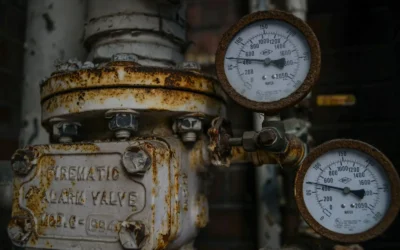
Your gauge decides whether a chart number means anything in your kitchen. A weighted regulator rocks or jiggles at a set pressure, while a dial gauge needs regular calibration checks and careful reading at eye level to stay honest.
Altitude changes the math because water boils cooler up high, so pressure canning resources stress adjusting pressure upward as elevation rises. If you live well above sea level, look for charts that show an altitude column and write down what worked for your stove and canner.
Jar Size, Grain Load, and Moisture Prep
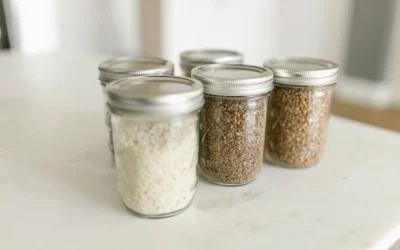
Bigger jars and dense fills need more sustained heat to reach full temperature at the core. Growers commonly report that quart jars filled with rye or wheat need a longer hold than smaller jars with millet or oats, even at the same pressure setting.
How you prep matters as much as chart time. Aim for hydrated but not mushy grain, with no standing water at the bottom, and leave proper headspace so steam can move freely. Underfilling leaves too much air and dries the top layer, while overfilling packs grain tight and creates cool spots.
Venting, Come-Up, and Hold Time Discipline
Most failed runs trace back to rushing the start, not the chart itself. Let steam vent steadily for several minutes before you place the weight or close the valve, then bring the canner up smoothly and only start timing once it holds steady at your target pressure.
Growers commonly report holding grain jars at 15 PSI for an extended period, with longer holds for large jars and shorter holds for small jars. If pressure dips below your target during the run, many growers restart timing rather than guessing, because a partial hold is a common source of contamination later.
Record Keeping and Repeatability
A chart gets you close, but your notebook makes it repeatable. Log gauge type, target pressure, vent time, come-up notes, hold time, cool-down method, grain type, jar size, and load count so you can link clean colonization back to a specific process.
Over November to 2026, seasonal humidity and stove quirks can shift your results, so dated notes help you spot drift early. If you change one variable at a time, you will know what helped when your spawn runs cleaner and colonizes on schedule.
To make these ideas concrete, here are a few options that show the range from logbooks to reference guides for pressure based grain work.
This article contains affiliate links. If you buy through one of our links, FungiPop may earn a commission at no extra cost to you. Commissions never influence which products we recommend or how we rank them. Read our Affiliate Disclosure for details.
Quick Picks at a Glance

Prime Pressure Canning Log Book

Prime The Complete Guide to Pressure Canning by Diane

Prime USDA Complete Guide to Home Canning Bulletin No.
As an Amazon Associate we earn from qualifying purchases. Product prices and availability are accurate as of the date/time indicated.
Pros
- Purpose built for low acid pressure canning safety and repeatability
- Comprehensive fields cover altitude, dial or weighted gauge, headspace and seal check
- 100 batch capacity plus index and pantry inventory for long term organization
- Compact 6x9 inch format pairs well with other Moondog Press canning logs
Cons
- Not a recipe book, so beginners still need current lab tested recipes separately
- Paper format lacks digital search, photos or automatic reminders
- No prefilled processing times, you must verify time and pressure for each food
The Pressure Canning Log Book from Moondog Press is a batch by batch tracker designed specifically for low acid home canning. It is made for canners who process vegetables, meats, poultry, seafood and soups and need to repeat safe methods every season.
Each of the 100 pages captures recipe source, dial or weighted gauge, pack style, jar size and count, headspace, altitude, pounds of pressure and minutes at pressure. The 24 hour seal check and generous notes area make it easy to confirm success and learn from each run in real kitchens.
The 6x9 inch layout feels practical on a countertop and the structured fields keep entries neat without wasted space. A front batch index plus quick reference USDA NCHFP figures and a rear pantry inventory turn it into a complete low acid canning companion.
As stated clearly, this is not a recipe book and it does not teach pressure canning from scratch. You will still need current lab tested recipes to set time and pressure, and those who prefer apps may miss digital photos and automatic calculations.
For dedicated pressure canners who value safety, consistency and organization, this log delivers excellent focus and usability. If you want to document every jar with confidence and find any batch fast, it is a smart addition to your canning shelf.
Format: 6x9 inch paperback log book with 100 one batch per page entry sheets for low acid foods.
Includes: Batch index, USDA NCHFP pressure by altitude quick reference, headspace guide and pantry inventory section.
Compatibility: Designed to pair with the Moondog Press Water Bath Canning Log Book and Home Canning Log Book for full coverage.
Pros
- Clear, detailed instructions praised by beginners for ease of use
- Wide variety of practical recipes covering meats, veggies and full meals
- Includes safety guidance and handy pressure canning charts for staple ingredients
- Friendly tone makes learning sustainable preserving approachable and fun
Cons
- Print only format with no digital tools or video tutorials for visual learners
- Focused on pressure canning only, so water bath canning for fruits and jams is limited
- Some experienced canners may want more advanced or international recipes
The Complete Guide to Pressure Canning by Diane Devereaux, known as The Canning Diva, is a beginner focused manual for safe home food preservation. It is designed for new canners, homesteaders and families who want to store meats, vegetables and ready to eat meals.
Standout features include more than 80 recipes for soups, stews, broths, beans, meats and meals in a jar. Readers consistently praise the clear step by step instructions and quick reference charts that list quantity, yield, jar size, processing time and PSI for staple foods.
As a 230 page paperback from Callisto, the book feels sturdy, well organized and easy to follow in the kitchen. Sections flow logically from equipment basics and safety prep to practice recipes and then full batch canning projects.
The main limitation is its narrow focus on pressure canning, so those looking for water bath pickles and jams will need a second book. Visual learners may also miss photos for every step and video support, and seasoned canners might outgrow some basic recipes.
Overall, this is one of the most practical and reassuring introductions to pressure canning available. If you want to save money, reduce waste and build self sufficiency with wholesome pantry staples, this guide is an excellent place to start.
Author: Diane Devereaux, The Canning Diva. Publisher: Callisto. Published July 24, 2018 in English.
Print length: 230 pages. Dimensions: 8 x 0.56 x 10 inches. Weight: 2.31 pounds. ISBN 13: 978-1641520904.
Category: Canning and Preserving, Pressure Cooker Recipes. Includes 80 plus recipes plus pressure canning charts for time, yield and PSI.
Pros
- Authoritative USDA source built on scientific principles and tested procedures
- Comprehensive coverage from equipment basics to meats, seafood and ferments
- Beginner friendly layout with clear illustrations and simple recipes
- Practical reference for homesteaders, preppers and budget conscious families
Cons
- Paperback binding may show wear with frequent kitchen use
- Instructional government style layout without glossy food photography
- Reprint edition lacks the feel of a traditional hardcover cookbook
The Complete Guide to Home Canning is the official USDA Information Bulletin No. 539, revised in 2015. It is written for beginners starting from zero as well as experienced canners, preppers, homesteaders and budget conscious cooks.
Part one covers canning science, pressure cookers, jars, lids and safety basics. Part two provides tested guides for fruits, tomatoes and salsa, vegetables, peppers, meats, poultry, seafood, jams, jellies, pickles and fermented foods.
The book uses a large 8.5 by 11 inch paperback format with 200 pages on heavy white paper. Illustrations and step by step directions make procedures easy to follow in a busy kitchen.
It reads like a government manual rather than a modern photo cookbook, so expect instructional illustrations instead of glossy styling. The paperback binding will show wear if used daily around water and produce.
For safe, research based canning you can trust, this remains the authoritative reference. If you want proven USDA methods for almost any food, this is a must have addition to your kitchen shelf.
Publisher: Independently published, March 29, 2020. Language: English, Paperback, 200 pages.
Dimensions: 8.5 x 0.46 x 11 inches, Weight: 1.15 pounds. ISBN-13: 979-8631975507, ASIN: B086L53NVN.
Category: Meat and Game, Pressure Cooker Recipes, Canning and Preserving Books. Brand: U.S. Department of Agriculture.
Matching Gear to Your Grow
Scenario one: you are new and sterilizing a couple small jars for oyster spawn on a tight budget. Focus on a simple, repeatable routine and a place to log every run. The Pressure Canning Log Book fits here because it gives you one structured page per batch for gauge pressure, altitude, jar size, and time. Downside: it will not teach you times on its own, so you must bring a trusted chart from your canner manual.
Scenario two: you understand sterile work but feel shaky on pack style, headspace, and low acid safety principles that carry over to grain. The The Complete Guide to Pressure Canning suits this stage because it walks through meats, vegetables, and meals in a jar from a home preservation angle, which builds intuition for heat penetration. Pair it with our Presto versus Instant Pot comparison for first grows to see why dedicated canners are often favored. Downside: it is food focused, not mushroom specific, so you must adapt the lessons to spawn.
Scenario three: you want an authoritative reference to anchor your charts and altitude adjustments. The The Complete Guide to Home Canning is the official government style reference many home canners keep on hand, and it helps you cross check general canning principles before you adapt them to mushroom spawn. If you are still choosing hardware, read our guide to picking a safe spawn canner on a budget and our budget picks for grain spawn cookers alongside your reading. Downside: it is broad and dense, so beginners may feel overwhelmed without a simple log to track what they tried.
When you compare these examples, match your weakest skill to the right aid. If you forget details between runs, prioritize logging. If you second guess pressure choices, prioritize reference material that explains why altitude and jar size change the outcome for your next batch.
Common Mistakes
Skipping a full vent and starting your timer early. Trapped air lowers the internal temperature even when the gauge looks right, so jars look processed but harbor survivors. Vent fully, wait for steady pressure, then start timing.
Underfilling or overfilling the jars and ignoring headspace. Underfilled jars dry out on top, overfilled jars heat unevenly, and both invite contamination after inoculation. Keep fills level, check for clumps, and leave room for steam circulation.
Forcing a fast cool-down or opening under pressure. Cracking the lid early can boil over grain, pull in unfiltered air, and crack jars. Let the pressure release naturally before opening the lid, then move jars to a clean, draft free spot to cool completely.
Who Should Wait or Buy Differently
If you only run ready to fruit bags and have no plans to pour agar or inoculate grain, a dedicated timing library is not ideal for you right now. These print resources are not a good fit for growers who need hands on troubleshooting for a specific electric cooker model, and they are not the right choice if you are looking for mushroom specific spawn recipes rather than general pressure process discipline. Borrow charts from your canner manual, master one small load, then invest in logs and guides once grain becomes your bottleneck.
Frequently Asked Questions
How do I read a psi and time chart for grain jars?
Start by finding your jar size column, then read across to your target pressure and hold time. Growers commonly report 90 minutes at 15 PSI for quart jars of rye as a common reference point, with shorter holds for smaller jars. Always confirm with your canner manual and log what you ran so you can adjust based on colonization results.
Do I need to adjust for altitude?
Yes, higher elevations usually call for higher pressure to reach the same internal temperature. Look for a chart with an altitude adjustment row and note your elevation in your log. If your dial reads low or your weight will not hold steady, do not guess, vent, reset, and re-establish steady pressure before timing.
Can food canning books replace a mushroom sterilization guide?
Food guides build useful intuition about heat penetration, pack, and safety, but they are written for vegetables and meats, not colonized grain. Use them to understand process discipline, then adapt with mushroom specific spawn resources and your own logs. Anyone expecting exact spawn recipes from a food book alone will feel disappointed.



Write Your Review
No reviews yet. Be the first to share your experience!