

If you are learning how to store dried mushrooms long term for small batch harvests, your main decision is not which fancy gadget to buy, but how to keep a small amount cracker dry, airtight, and undisturbed until you cook with it. Your species being grown, your batch size, your budget, and your experience level all shape that choice, especially when you harvest a few ounces at a time from a countertop grow.
You want containers and habits that protect flavor, aroma, and texture without adding daily fuss. We prioritized methods that fit home growers with limited space, so you can match your storage to how often you open jars and where you keep them. Updated in November 2026, this guide uses pantry friendly examples to show the range, and you can explore more ideas in our Harvesting, Drying and Storage archive.
What Actually Matters
Long term storage for small batches succeeds or fails before the lid goes on. Focus on dryness, airtight protection, access frequency, and storage location, and you will avoid most soft, stale, or musty results.
Final Dryness Before You Seal Anything
You should only seal mushrooms that snap cleanly and feel light, papery, and completely cool to the touch. If stems bend, caps feel leathery, or pieces feel cool and slightly soft, they still hold inner moisture and need more drying time. Sealing them early traps that moisture and shortens shelf life.
For small batches, check dryness in two stages. First, let the mushrooms cool for 30 to 60 minutes after drying, then bend and snap a thick piece. Second, place a sample in a small closed jar for a few hours and look for fog or softening, which signals residual dampness. Many home growers also review how to prevent mold from too much humidity because the same moisture awareness that prevents fruiting issues helps you judge when dried pieces are truly ready.
Thick slices, whole caps, and dense stems dry at different rates, so sort by thickness when you can. Sliced mushrooms with even thickness rehydrate more evenly later, and they also dry more evenly now, which makes your dryness check more reliable. When in doubt, give the batch another drying cycle rather than risking a sealed jar that turns soft.
Airtight Containers and Moisture Barriers
Your container is a moisture barrier first and a storage box second. Glass jars with two piece lids, swing top jars with fresh gaskets, and high quality resealable pouches all work when they truly seal. You want a lid that closes firmly, a rim that stays clean and free of powder, and a container size that leaves little empty air.
For small batches, smaller containers beat one large jar. A half full large jar holds humid air that moves in every time you open it, while a small full jar limits air exchange. Food grade desiccant packets and oxygen absorbers can help in humid kitchens, but they support good drying, they do not fix damp mushrooms. Keep desiccants from direct contact with food where the maker advises, and replace them on schedule.
Vacuum sealing is useful when you will leave a batch untouched for many months, because it removes air and keeps aroma in. It is less convenient when you cook often, since you break the seal each time. A practical setup for many growers is one sealed long term bag or jar you rarely open, plus one small working jar for weekly cooking.
Batch Size and How Often You Open the Jar
Small batch storage works best when you plan around access. Every opening lets in room air, kitchen steam, and odors, so frequent access calls for a small working container and infrequent access calls for a sealed reserve. If you cook with mushrooms twice a week, keep a few ounces handy and leave the rest sealed.
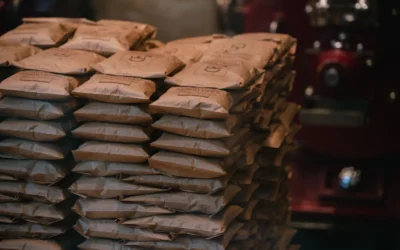
Pack size matters here. A compact 3oz style pack is easy to use up, easy to reseal, and easy to inspect, while a bulk 1 lb style bag needs repacking into smaller jars if you want it to last. You can learn a lot from package design, including resealable closures and clear labeling for species and drying date. Growers who track conditions with a room sensor often find it helpful to read our guide to hygrometers for small batch grows to understand how kitchen humidity swings affect stored goods.
Label every jar with species, slice style, drying date, and source flush. Small growers often mix flushes without meaning to, then cannot tell which jar is oldest. Use oldest first, keep notes on flavor and rehydration quality, and you will quickly learn which drying routine gives you the most aromatic results.
Storage Location, Light and Smell Control
Keep dried mushrooms cool, dark, and away from strong odors. A pantry cabinet, closet shelf, or opaque bin works well when the spot stays dry and temperature stable. Avoid spots above the stove, next to the dishwasher, under the sink, or on a sunny counter, because heat and light fade aroma and color.
Dried mushrooms absorb odors readily, so store them away from spices, coffee, onions, and cleaning products. Glass protects flavor better than thin plastic, and an outer box or bin adds light protection if your jars are clear. If your kitchen runs warm and damp in summer, a cooler bedroom closet often preserves texture better than a pantry near cooking steam.
Freezing is an option for very long holding once mushrooms are fully dry and sealed airtight, but it is not required for most small batches. If you freeze, use a truly airtight, moisture proof package and let the sealed package come fully to room temperature before opening, so condensation does not form on cold pieces. For most home cooks, a cool dark cabinet with airtight jars is simpler and easier to manage.
Here are a few options that show the range, from compact pantry packs to bulk sliced bags that need repacking for small batch use:
This article contains affiliate links. If you buy through one of our links, FungiPop may earn a commission at no extra cost to you. Commissions never influence which products we recommend or how we rank them. Read our Affiliate Disclosure for details.
Quick Picks at a Glance

Crown Fungi Dried Russula Mushrooms 3oz

Mushroom House Dried Shiitake Mushroom Slices 1 LB
As an Amazon Associate we earn from qualifying purchases. Product prices and availability are accurate as of the date/time indicated.
Pros
- Intense earthy umami flavor that enriches broths, sauces and plant based meals
- Firm texture after soaking that holds up well in stews, sautes and pasta
- Handpicked and carefully dried to preserve aroma, flavor and quality
- Compact, lightweight and shelf stable for convenient pantry storage
Cons
- Requires soaking and rehydration before cooking, so it needs extra prep time
- 3oz pack may run out quickly for large families or very frequent mushroom use
- Distinct earthy Russula taste may feel unfamiliar if you are new to gourmet mushrooms
This 3oz pack of dried Russula mushrooms from Crown Fungi is made for flavor focused cooks who want gourmet results from the pantry. It is a strong fit for vegans, vegetarians, soup lovers and home chefs who cook pasta, stews and Asian inspired dishes.
Once rehydrated, these mushrooms deliver deep earthy aroma and savory umami that builds a powerful base for cooking. They add body to broths, character to noodles and dumplings, and satisfying richness to meatless sautes and sauces.
Quality feels carefully controlled, with handpicked mushrooms dried to preserve texture and scent. The lightweight pack is practical to store and portion, and the dried format keeps well for months while staying ready to use.
The main tradeoff is prep time, since you need to soak them to unlock full flavor and texture. Cooks used to mild button mushrooms may also find the earthy Russula profile stronger than expected.
Overall, this is a versatile gourmet pantry upgrade for anyone who loves bold mushroom flavor. If you want convenient, long lasting dried mushrooms for creative everyday cooking, this pack is an easy recommendation.
To use, rinse the dried mushrooms briefly, then soak in warm water for 20 to 30 minutes until tender. Reserve the soaking liquid as a flavorful mushroom broth for soups and sauces.
Add rehydrated mushrooms to stews, pasta sauce, ramen, stir fries, sautes and dumpling fillings. Chop finely for deeper flavor distribution or leave larger pieces for meaty texture.
Store the dry pack in a cool, dry place in an airtight container after opening to preserve aroma and freshness.
Brand: Crown Fungi. Product: Dried Russula Mushrooms. Pack Size: 3oz dried mushrooms for cooking.
Category: Grocery, Dried Mushrooms. Form: Whole dried mushrooms requiring rehydration before use.
Best for: Soups, broths, stews, pasta, noodles, sautes, dumplings, vegetarian and vegan recipes.
Pros
- Even slices rehydrate fast with uniform, meaty texture
- Bold umami flavor enhances broths, stir fries and gourmet recipes
- Non-GMO, additive free and processed in a certified facility
- Bulk 1 LB size is practical for frequent cooks and meal prep
- Shelf stable and resealable for long term freshness
Cons
- Requires soaking in hot water before cooking, not ready to eat
- Texture is chewier than fresh shiitake mushrooms
- Bulk bag size may be too large for occasional users
Mushroom House Dried Shiitake Mushroom Slices in the 1 LB bulk size are made for cooks who use mushrooms regularly. It is a smart fit for home cooks, meal preppers and chefs who want reliable umami flavor always on hand.
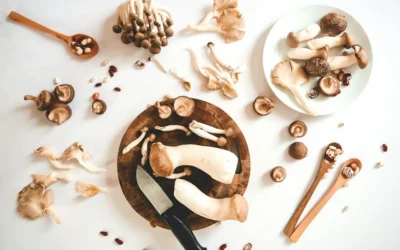
Even slicing makes a real difference in use. The pieces rehydrate quickly in hot water and cook evenly, adding deep savory flavor to ramen, soups, stir fries, risottos and sauces.
Sourcing and preparation feel thoughtful, with mushrooms harvested at peak ripeness and air dried for flavor. The product is Non-GMO, additive free and packed in a certified facility to meet U.S. food safety standards.
The main tradeoff is that dried mushrooms need prep time and taste different from fresh. Occasional cooks may also find the 1 LB bulk bag to be more than they need.
Overall, this is a versatile, pantry friendly staple for umami lovers. If you cook Asian inspired dishes, broths or stir fries often, it delivers convenience, consistency and bold flavor.
Soak the dried shiitake slices in hot water for 15 to 20 minutes until tender, then drain and pat dry. Use the soaking liquid as a flavorful broth base for ramen, soup or risotto.
Add rehydrated slices directly to stir fry, pasta, pizza, sauces and stews. Start with a small amount, as the concentrated umami flavor goes a long way.
Reseal the bag tightly after each use and store in a cool, dry pantry. Proper storage keeps the slices fresh and ready for everyday cooking.
Brand: Mushroom House, Product: Dried Shiitake Mushroom Slices, Size: 16 Ounce bulk bag.
Form: Evenly sliced and air dried, All natural, Non-GMO, additive free.
Storage: Shelf stable in resealable bag, Best for soups, ramen, stir fry, sauces, risotto and more.
Matching Gear to Your Grow
Your best storage setup depends on how much you harvest, how fast you cook, and how humid your home feels. These scenarios show how to apply the ideas above with the example products as reference points.
If you fruit in small waves from kits or spawn bags and liquid culture setups and dry only a handful at a time, think like the compact pack model. The small jar approach in our storage archive suits you, and Russula Mushrooms, 3oz Pack of Dried Russula illustrates why. A 3oz size is easy to keep airtight, quick to use, and simple to label by flush. Keep one working jar, seal the rest, and you avoid exposing your whole harvest to air each time you cook.
A con to watch with very small packs is that you may end up with many little jars and loose desiccants to track. Who should not buy into this style: if you harvest large flushes every week and cook daily for a family, constantly refilling tiny jars will annoy you. You would do better with medium jars plus a sealed reserve.
If you buy in bulk or dry a big seasonal flush and want to stretch it across many meals, think like the bulk sliced model. Mushroom House Dried Shiitake Mushroom Slices shows the trade off clearly. Evenly sliced, air dried pieces rehydrate quickly and cook evenly, and a resealable bulk bag is convenient at first. For long term small batch use, though, you should divide that bulk amount into small airtight jars soon after opening, with the bulk bag kept sealed as reserve.
A con here is that bulk bags invite repeated opening, and each opening refreshes moist air around the slices. Sliced pieces also expose more surface area, so they pick up humidity and odors faster if left half sealed. Who should not buy bulk for storage: if you live in a damp apartment without airtight jars on hand, do not store long term in the original bulk pouch alone. Repack first, or choose smaller packs you can finish sooner.
If you are new and still dialing in drying, keep your system simple and forgiving. Use small glass jars, label well, store in a cool dark cabinet, and open only the working jar. Skip vacuum gear and oxygen absorbers until your snap check is consistent. Once your batches stay crisp for weeks without softening, you can add a vacuum sealed reserve bag for the portion you plan to hold longest.
Common Mistakes
Sealing mushrooms before they are fully dry. This is the top cause of musty aroma, soft texture, and visible mold in storage. You avoid it by cooling pieces fully, snapping the thickest slice, and holding a jar check for fog or softening before you commit the whole batch to sealed jars.
Storing everything in one big half empty jar that you open daily. Each opening pumps humid kitchen air over the full supply, and sliced mushrooms absorb it quickly. You avoid it by splitting harvests into a small working jar for cooking and one or more sealed reserve jars that stay closed.
Keeping jars in heat, light, or strong odors. Tops of fridges, sunny counters, and cabinets above stoves fade flavor and invite moisture swings, while spice cabinets lend unwanted smells. You avoid it by choosing a cool, dark, odor neutral shelf, using glass with a firm seal, and adding an opaque bin if your jars are clear.
Who Should Wait or Buy Differently
Bulk storage gear and extra sealing tools are not ideal for you if you are still eating each harvest fresh within a week, if you have not yet confirmed a reliable drying routine, or if your kitchen has no cool dark spot for jars. In that case, keep growing and cooking fresh, practice drying small review batches in jars you already own, and invest in dedicated airtight containers and desiccants only when you regularly have surplus worth holding for months.
Frequently Asked Questions
How dry should mushrooms be for long term storage?
They should feel light and papery and snap cleanly with no bending, even in the thickest stem or cap piece. Let them cool fully first, then check the thickest pieces, because warm mushrooms can feel drier than they are. If anything bends or feels cool and soft, dry longer before sealing.
Are glass jars better than resealable bags for small batches?
Glass jars with a firm lid are usually better for small batches you open often, because they protect against crushing, odors, and air exchange. Resealable bags work well for sealed reserve portions and for freezing, as long as the seal is intact and air is pressed out. Many growers use both, with jars for weekly cooking and sealed bags for untouched reserve.
How do I know stored dried mushrooms are still good?
Look for crisp texture, clean earthy aroma, and steady color, then rehydrate a small piece to confirm flavor. If pieces have turned soft, smell musty or sour, show spots, or stay slimy after soaking, discard them. When in doubt, throw it out, review your drying and sealing routine, and label the next batch with more detail.



Write Your Review
No reviews yet. Be the first to share your experience!