

If you are chasing ideal humidity and temperature for oyster mushrooms for on a budget, your real decision is not which fancy chamber to buy, but how to keep conditions steady enough for healthy flushes without paying for features you will not use. Oysters are forgiving compared to many gourmet species, yet they still punish stale air and wide swings in moisture. Your choice comes down to four variables: which oyster type you grow, how large your batch is, how much hands on misting you will do, and how tight your budget and space are.
In November 2026, most budget growers are working on a kitchen counter, in a closet, or with a single small tent, not a dedicated grow room. That is good news, because oysters often fruit well in those small spaces if you get air movement and moisture balanced. This guide walks you through what to look for in affordable climate gear, how to match it to your grow size, and where an all in one box can help or fall short.
What Actually Matters
Humidity Control You Can Actually Maintain
Oysters love humid air, and growers commonly report the best pinning and cap development when relative humidity stays in the mid 80s to mid 90s percent range during fruiting, with slightly lower levels helping to avoid soggy caps near harvest. On a budget, consistency matters more than hitting a perfect number. Manual misting with a fine sprayer can work for one kit, but it creates peaks and valleys, while a small cool mist humidifier or an integrated reservoir with timed output gives you a steadier baseline with less daily work.
When you compare options, look at how water is delivered and where it lands. Top down fog that falls directly on fresh pins can leave yellow spots and invite bacterial blotch, so you want directional output, a deflector, or enough distance between the mist outlet and the mushrooms. A clear water tank you can remove and clean, simple humidity adjustment, and parts you can wipe down will save you more money over time than slightly stronger output. For deeper background on small humid setups, see our comparison of martha tent humidifier vs BoomRoom II.
Temperature Stability Over Heating Power
Temperature is where many budget growers overspend. Oysters generally prefer cool to moderate fruiting rooms, and growers commonly report solid results with daytime room temperatures in the low 60s to low 70s Fahrenheit for blue and pearl types, with pink and yellow types leaning warmer, while colonization runs a bit warmer. You rarely need a dedicated heater if you can pick the right room. A north facing bedroom, basement corner, or closet that stays stable through day and night will do more for you than a powerful heater that cycles on and off.
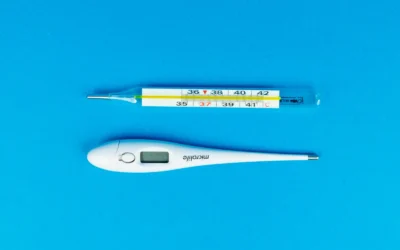
Focus on stability and measurement at mushroom level, not at the wall. Place a small thermometer or hygrometer right next to your bags or kits, away from direct mist and heat sources, and check morning and evening readings for a few days before you commit to gear. If your space swings more than a few degrees daily, fix drafts, move away from radiators and windows, or fruit a smaller batch before you buy an air conditioner or controller. Stable room choice is free, and it reduces how hard any humidifier or fan has to work.
Fresh Air Exchange Without Drying Your Flush
Oysters demand more fresh air than most beginners expect. When carbon dioxide builds up, you get long skinny stems, tiny caps, and pale clusters reaching for air. The fix is steady air exchange, not a wind tunnel. Look for a fan with low speed or intermittent cycling plus a filtered intake that keeps dust out, and an exhaust path that does not pull all your humidity straight out of the chamber. Adjustable vents or a fan that turns on and off automatically helps you find that balance.
On a budget, placement beats power. Cracking a nearby door, running a room fan on low outside the chamber, or using short exhaust bursts often works better than running a strong fan continuously inside a tiny box. Keep intake air clean and avoid pointing fans directly at pins. If you are scaling from countertop kits to bulk, our overview of Monotubs, Martha Tents and Fruiting Chambers explains when to move from passive air holes to powered exchange.
Monitoring and Simple Automation That Pays Off
You cannot manage what you do not measure, and affordable monitoring is the highest value purchase for oyster climate control. A basic digital hygrometer and thermometer combo placed at substrate level lets you see humidity dips after fanning and temperature climbs in the afternoon. Look for a display you can read without opening the chamber, plus min and max memory if possible. Compare two units side by side for a day to verify accuracy, and replace batteries early, because weak batteries often read low and cause over misting.
Light and timers are secondary, but they still matter. Oysters do not need strong grow lights, just a gentle day and night cycle for normal cap color and shape. A simple outlet timer for your humidifier and fan often outperforms a built in controller that you cannot adjust. When you browse all in one designs, prioritize accessible controls, easy cleaning, and quiet operation over color changing lights. You can learn more about core climate principles in our Humidity, FAE and Climate Control hub.
To show how these features come together at different budgets and sizes, here are a few options that show the range, from manual setups to compact automated boxes. Use them to compare water delivery, air exchange, and monitoring rather than as a ranked list.
This article contains affiliate links. If you buy through one of our links, FungiPop may earn a commission at no extra cost to you. Commissions never influence which products we recommend or how we rank them. Read our Affiliate Disclosure for details.
Quick Picks at a Glance
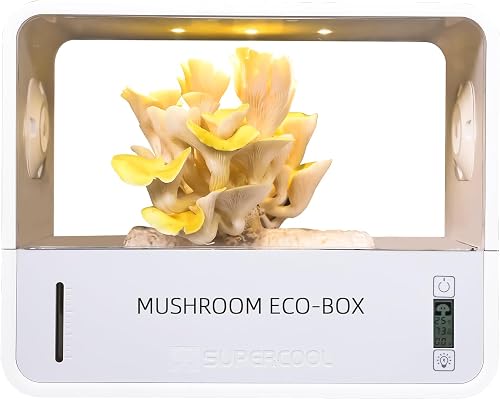
Prime Crownow Smart Mushroom Grow Box Kit with Auto
As an Amazon Associate we earn from qualifying purchases. Product prices and availability are accurate as of the date/time indicated.
Pros
- Fully automated humidity, light and airflow reduces manual misting
- Beginner friendly monotub alternative with simple one button operation
- Versatile for multiple gourmet and medicinal mushroom types
- Built in air filtration and growth timer supports cleaner, more consistent grows
Cons
- Box only, mushroom substrate, spores or grow blocks sold separately
- Compact 14.5 inch footprint limits batch size for serious growers
- Mixed early feedback points to a learning curve with settings and cleaning
The Crownow sce-001 Smart Mushroom Growing Box is an all in one automated fruiting chamber designed for indoor home cultivation. It is aimed at beginners and hobbyists who want a cleaner, simpler alternative to DIY monotubs and manual misting.
Standout features include automatic humidity regulation with a built in hygrometer and humidifier, plus an auto cycling fresh air fan with filtration. The 3 mode grow light lets you adjust color temperature for different growth stages, while the growth duration tracker helps you time harvests more accurately.
In real world use, the system keeps conditions more stable than open tubs, which can support faster pinning and more consistent flushes for oyster, shiitake, enoki and reishi. The workflow is simple, just add water to the tanks, place your colonized block inside, and power on.
Build quality centers on a lightweight white and gray plastic housing with a mylar reflective interior and 13 watt lighting. At 14.5 by 7 by 11.6 inches it fits well on a countertop, though the compact chamber limits how many blocks you can fruit at once.
The main tradeoff is that this is box only, so substrate or inoculated blocks must be purchased separately, and cleaning the tanks and fan filter takes regular attention. Overall, it is a smart pick for small space growers who value automation and low maintenance over large harvest volume.
Brand: Crownow, Model sce-001, Color White plus gray, Dimensions 14.5L x 7W x 11.6H inches, Weight 2.65 kg.
Materials: Plastic frame and outer shell with mylar reflective inner lining, 13 watt grow light with 3 lighting modes.
Functions: Automatic humidity adjustment, temperature and humidity monitoring, automatic fresh air fan with filtration, mushroom growth duration record.
Matching Gear to Your Grow
If you fruit one oyster kit at a time on a kitchen counter, keep it simple. You need a spray bottle with a fine mist, a small hygrometer at kit level, and a draft free spot with indirect light. Mist the inside of a humidity tent or loose bag two to three times daily, then fan gently for 30 seconds to bring in fresh air. You do not need powered humidification yet, and an automated box would add cleaning work without improving your results.
If you run two to four bags or buckets in a closet and you are away for work or school, automation starts to pay. The Smart Mushroom Growing Box Kit with Temperature illustrates this compact approach, with a built in humidifier, temperature and humidity monitoring, timed fresh air fan with filtration, and a light system in one enclosure. That combination can reduce daily misting and help hold steadier air for small oyster batches. The trade offs are real: the chamber is small for bucket grows, the color changing light adds little for oysters, and its current rating of 3.3 out of 5 from 34 reviews points to mixed owner satisfaction, so check recent feedback on noise, fog control, and cleaning access before you commit.
If you want low cost, near continuous harvests through dry winter air or a warm apartment, combine room choice with modest gear. Start with the coolest stable room you have, add a small room humidifier outside the fruiting area rather than blasting fog directly on caps, and use a timer for short fan bursts every few hours. This setup handles larger oyster loads than a single tabletop box and costs less to run. Our ideas for monotub kit setup ideas for 54Qt show how growers arrange vents, liners, and lid cracks to balance moisture and air without oversized equipment.
Common Mistakes
• Placing the humidifier too close to fresh pins. Direct fog looks impressive, but it soaks young caps, causes yellow blotch, and invites sour smells. Keep several inches of distance, aim output at a wall or deflector, and lower output once pins form. If caps look wet and glossy for hours, increase air exchange slightly and reduce mist frequency.
• Sealing the chamber to hold humidity and starving oysters of air. Many beginners close every vent to keep the hygrometer high, then wonder why stems stretch and caps stay tiny. Oysters need constant fresh air even at high humidity. Favor frequent short exchanges over one long drying blast, and watch stem to cap ratio as your guide. Long stems mean add air, dry cracked caps mean add moisture.
• Chasing exact numbers instead of watching the mushrooms. Hygrometers can drift, especially if mist lands on the sensor, and room thermometers may read several degrees off from conditions inside the substrate. Use your instruments as trend tools, verify them side by side, and let pin formation, cap texture, and color confirm your settings. Clean tanks weekly, wipe sensors dry, and empty standing water so mold does not get a foothold.
Who Should Wait or Buy Differently
A compact automated box is not ideal for growers who already run a Martha tent, a large monotub, or multiple five gallon buckets, or for anyone who wants to fruit warm weather pinks in a cold basement without supplemental heat. It is also not a good fit if you dislike frequent cleaning, since small reservoirs and fans need regular wiping to prevent film and odors. In those cases, wait and put your budget toward a larger tent, a reliable humidity controller, or better room insulation, and keep using manual misting for small oyster kits until your volume truly demands automation.
Frequently Asked Questions
What humidity and temperature should I aim for with oysters on a budget?
Aim for steady rather than perfect. Growers commonly report good oyster fruiting with relative humidity in the mid 80s to low 90s percent and room temperatures in the 60s Fahrenheit for most blue and pearl strains, with pinks preferring warmer rooms. A ten dollar hygrometer at mushroom level plus consistent misting or timed fog will get you closer than an expensive chamber with no monitoring.
Do oyster mushrooms need a grow light or special spectrum?
No special spectrum is required. Oysters use light mainly as a signal for direction and day cycle, so soft ambient room light or a basic daylight LED on for 8 to 12 hours is enough. Skip premium color changing features on a tight budget and spend instead on air exchange and humidity stability, which have a much larger effect on yield and shape.
How do I balance fresh air and humidity without drying my flush?
Use short, frequent air exchanges instead of leaving a fan on high. Provide filtered intake, exhaust stale air for a minute or two, then let humidity recover before the next cycle. If stems elongate, increase exchange. If cap edges crack or curl, reduce fan time and raise humidity slightly. Small adjustments once daily work better than large swings.
Write Your Review
No reviews yet. Be the first to share your experience!