

If you are learning how to pasteurize bulk substrate in a bucket for indoor grow, you are really choosing between two paths: hydrating a dry coco coir, vermiculite and gypsum mix yourself with boiling water, or skipping the bucket and buying a pre-hydrated sterile or pasteurized bag. Your best choice depends on the species being grown, your batch size, your budget room, and your experience level, plus how much space and time you have indoors as of November 2026.
This guide breaks that decision into practical factors you can weigh before you buy. We assessed these examples for recipe clarity, prep effort, and indoor fit. You will learn what matters in a mix, how to judge water and yield, and which shortcuts are worth it for monotubs, trays, and small fruiting setups, and you can browse the Sterilization and Pasteurization archive for background on clean technique.
What Actually Matters
Substrate Recipe and Species Fit
Start with recipe, because dung loving varieties and generalist varieties do not want the same nutrition. A plain CVG blend of coco coir, vermiculite, and gypsum holds water well, stays airy, and keeps odor low, which suits many indoor monotub grows. A manure based blend with composted horse manure, coco coir, worm castings, and supplements offers richer nutrition that can support heavier flushes for varieties that prefer manure.
You should match the ingredient list to your grow goal and tolerance for odor and mess. If you grow in an apartment or shared space, a simple CVG mix is often easier to live with. If you want added nutrition and you have good airflow, a manure blend may be worth the extra care. For more context on blends, see the Substrate, CVG and Bulk Amendments collection before you commit to a large batch.
Dry Mix Versus Ready to Use Hydration
Dry mixes and pre-hydrated bags solve different problems. A dry mix is light, compact, and stores well in a closet, but you must supply the bucket, the boiling water, and the waiting period. One example in the data hydrates in a 5-gallon bucket using 16 cups of boiling water, then rests covered for 24 hours to reach field capacity, which shows the level of planning involved.
Pre-hydrated sterile or pasteurized bags arrive at field capacity and are ready for inoculation with spawn, so you avoid kettles, steam, and overnight cooling. The trade off is weight, bulk, and storage sensitivity, since a hydrated bag is heavier to move and benefits from prompt use in a clean space. Choose dry if you value shelf stability and low shipping bulk, and choose ready to use if you want to skip the bucket step entirely.
Water Amount, Field Capacity and Batch Size
Field capacity is the moisture sweet spot where the substrate feels damp and holds shape without dripping. When you squeeze a handful firmly, you want only a few drops to appear, not a stream, and the clump should stay together then break apart with a light poke. With bucket pasteurization, you get there by measuring water carefully, mixing evenly, then letting the covered bucket equalize, rather than adding extra splashes later.
Batch size matters just as much, because too little substrate gives a thin bed that dries quickly, while too much leaves you with leftovers. The data shows useful reference points: a dry mix that makes about 9 lbs of hydrated bulk substrate and is described as enough for two full monotub grows, single 5 lb manure based bags for smaller tubs or bag grows, and a kit with 10 Pounds of Select Bulk Substrate for a Large 66Q Monotub refill. Growers commonly report aiming for a spawn to bulk balance around one colonized grain bag to two or three bulk bags, so size your purchase to that ratio.
Time, Space and Clean Handling Indoors
Bucket pasteurization is simple, but it still needs a clean workflow indoors. You need a food grade bucket with a tight lid that you have washed and dried, a clear counter, and a safe place for the hot bucket to sit undisturbed while it cools. Boiling water can cause severe burns, so pour slowly, keep children and pets away, secure the lid, and allow the substrate to cool fully before you open it for spawning.
Think through odor, spills, and airflow as well. Coco based mixes are fairly neutral, while manure blends have a stronger earthy smell that lingers in small rooms. If you use grain spawn prepared in a pressure cooker alongside your bucket, always follow the manufacturer own instructions for your specific unit, never leave it unattended while pressurized, and let the pressure release naturally before opening the lid. For grain prep background, the presto pressure cooker for grain spawn guide explains the companion process.
To show the range from dry bucket mixes to ready bags, here are a few options that show the range and illustrate the trade offs discussed above.
This article contains affiliate links. If you buy through one of our links, FungiPop may earn a commission at no extra cost to you. Commissions never influence which products we recommend or how we rank them. Read our Affiliate Disclosure for details.
Quick Picks at a Glance

Prime Boomer Shroomer CVG Mushroom Substrate
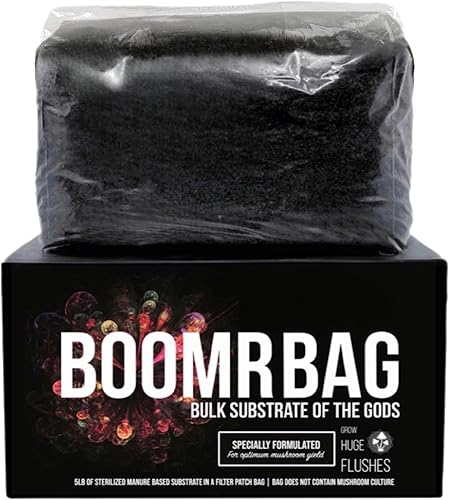
Prime North Spore Boomr Bag 5 lb Sterile Manure-Based

Prime MycoLabs Large 66Q Monotub Refill Kit with 5-Grain

Prime Out-Grow 5lb Pasteurized Mushroom Substrate Grow
As an Amazon Associate we earn from qualifying purchases. Product prices and availability are accurate as of the date/time indicated.
Pros
- Balanced CVG blend designed specifically for mushroom cultivation
- Excellent moisture retention with added aeration from vermiculite
- Large yield covers two monotubs from one bag
- Easy to store dry mix with long shelf life
Cons
- Requires boiling water, a 5 gallon bucket and a 24 hour pasteurization wait
- Bucket and other prep supplies are not included
- Fixed blend ratio offers less customization for advanced recipes
The Boomer Shroomer Dry Bulk Substrate is a ready to mix CVG blend of coco coir, vermiculite and gypsum for mushroom cultivation. It is built for hobby mycologists and beginners doing spawn to bulk transfers in monotubs, trays or filter bags.
In use, you simply add 16 cups of boiling water in a 5 gallon bucket and let it pasteurize for 24 hours to reach field capacity. The hydrated mix delivers about 9 lbs of airy, moisture retentive substrate that supports fast colonization and multiple flushes.
The ingredient quality stands out, with coco coir for water holding, vermiculite for aeration and gypsum for pH stability. The dry format keeps everything fresh in storage, lightweight to handle, and less prone to contamination than pre hydrated products.
The main tradeoff is prep time, since you need boiling water, a bucket and a full day wait before use. Growers who want instant ready to use substrate or custom ratios will need to look elsewhere or adjust on their own.
Overall, this is a reliable, beginner friendly bulk substrate that simplifies monotub growing without sacrificing performance. If you want a consistent CVG base for two full tubs, it is an easy recommendation.
Brand: Boomer Shroomer, Model: BSBULK001, Type: Dry CVG bulk substrate. Includes 500g coco coir, 500g vermiculite and 100g gypsum.
Hydrated yield is about 9 lbs, enough for two monotubs. Dry weight is 1.15 kg with a 5 gallon prep volume using bucket tek.
Add the dry mix to a clean 5 gallon bucket, pour in 16 cups of boiling water, seal and let pasteurize for 24 hours. Check for field capacity where the mix holds moisture without dripping.
Mix with fully colonized grain spawn for spawn to bulk transfer in monotubs, trays or bags. Maintain proper humidity and fresh air exchange for colonization and fruiting.
Pros
- Sterile and ready to use with no pasteurization, mixing or hydration required
- Formulated specifically for dung-loving species to support fast colonization and better yields
- Works across multiple methods, ideal for beginners and experienced bulk growers
- Filter patch bag and moisture balanced texture for healthy mycelium growth
- Made in USA with quality composted manure and coco coir base
Cons
- Exact supplement blend is proprietary, so you cannot adjust the recipe
- Requires separate colonized grain spawn, not an all in one grow kit
- Single 5 lb bag may not be enough for large monotubs or outdoor beds
The North Spore Boomr Bag is a 5 lb sterile bulk substrate built for dung loving mushroom species. It is made for beginners and experienced growers who want a ready to use base for monotubs, bags and outdoor beds.
The blend combines composted horse manure, coco coir and added supplements to support strong colonization and improved yields. Because it arrives sterile and hydrated to field capacity, you can mix it directly with colonized grain spawn without extra prep.
Built in a filter patch bag, it allows proper gas exchange while helping reduce contamination risk. The texture holds moisture well, and the USA made formula feels consistent, clean and professionally prepared.
The exact supplement blend is proprietary, so precise customization is limited. You will also need separate grain spawn, and larger projects may require multiple bags to fill big tubs or beds.
For growers who want reliable results without pasteurizing manure at home, the Boomr Bag is a practical upgrade. It saves time, simplifies spawn to bulk, and delivers a trusted foundation for productive grows.
Brand: North Spore, Style: Sterile substrate in filter patch bag.
Size: 5 pounds, 80 ounce count, 4.75 liters volume.
Material: Composted horse manure, coco coir plus substrate supplements, hydrated to field capacity.
Best for: Monotubs, filter bags, trays, Martha setups and outdoor beds for dung loving species.
Recommended use: Mix 1 colonized grain spawn bag with 2 to 3 Boomr Bags.
Mix one fully colonized grain spawn bag with two to three Boomr Bags for reliable colonization. Break up the spawn, blend evenly, then incubate in your monotub, bag or tray.
Maintain proper humidity and fresh air exchange for your chosen setup. For outdoor beds, layer the mix in a shaded spot and keep it moist but not waterlogged.
This substrate is best for dung loving species. If you are new to bulk growing, start with one tub to learn the process before scaling up.
Pros
- Users report clean grows with fast, thick mycelium development
- All in one bundle saves time with no measuring, mixing or pasteurizing
- Well sealed packaging and fast, responsive seller support
- Liner and filter disks improve moisture control and simplify reuse
Cons
- Grain bag performance can vary, with some users reporting slow or failed colonization
- Grain appears darker than expected, which may concern first time growers
- Product listing shows incorrect details for material, size and dimensions
The MycoLabs Complete Refill Kit is built specifically for owners of the Large 66Q Grower's Select monotub who want to start a fresh cycle without buying a whole new setup. It bundles grain spawn, bulk substrate, filter disks and a custom liner in one box, so it suits both beginners and repeat growers looking for convenience.
Standout components are the two 5-grain spawn bags and 10 pounds of premixed, pasteurized CVG bulk substrate designed for vigorous colonization. Many users report thick, healthy mycelium and fast colonization with zero contamination when following the instructions, plus enough depth for strong flushes.
Build quality centers on clean packaging and practical extras rather than hardware. The sealed grain bags arrive well protected, the substrate feels properly hydrated and pasteurized, and the black liner plus filter disks help hold moisture while keeping airflow steady and cleanup simple.
Results are not perfectly consistent, as some growers note slower growth or poor performance from the grain bags. The darker color of the grain can also look worrying at first, and the product listing itself has confusing spec details that do not match a monotub refill kit.
Overall, this is a convenient refill for Large 66Q owners who want a complete, beginner friendly restart kit. If you prioritize top tier grain genetics above all else you may want to compare options, but for clean, full coverage grows with minimal prep it delivers well.
Compatibility: Large 66Q Grower's Select monotub, also usable for two 28Q tubs for added depth.
Includes: Two 5-grain spawn bags, 10 pounds CVG bulk substrate, 6 monotub filter disks, custom fit black liner.
Substrate Type: Premixed and pasteurized CVG blend for colonization and moisture retention.
Use: Indoor tabletop use, ideal for spore germination and mycology projects.
Pros
- Pre-pasteurized and pre-hydrated, no mixing or pressure cooking required
- Nutrient diverse recipe with manure, worm castings, coir and gypsum for strong mycelial growth
- Works for both monotubs and in-bag fruiting for added versatility
- Long room temperature shelf life for flexible planning
- Generous 5lb size suitable for bulk grows
Cons
- Early buyer feedback is mixed, with some users reporting disappointing results, so consistency may vary
- Manure based substrates require careful sterile technique during inoculation to avoid contamination
- Limited long term performance data compared to more established substrate brands
The Out-Grow 5lb Mushroom Substrate Grow Bag is a pasteurized, manure based bulk substrate designed for home mushroom cultivation. It is aimed at beginners and intermediate growers who want to skip hydrating, mixing and heat treating their own materials.
Its standout formula combines composted horse manure, coco coir, vermiculite, worm castings and gypsum for nutrition, moisture retention and structure. In real world use, this type of rich blend is intended to support fast colonization and fuller flushes when paired with healthy grain spawn and good sterile practice.
The bag arrives pre-hydrated and pasteurized for direct inoculation, which simplifies monotub builds or in-bag fruiting. Build quality centers on proper moisture balance and a clean, ready to use texture backed by over a decade of mycology focused development.
The main drawback is inconsistent early user experiences, with some growers reporting disappointing outcomes. As with any manure based substrate, success still depends heavily on sterile inoculation, proper spawn ratio and stable fruiting conditions.
Overall, this is a convenient, nutrient dense option for growers who value prep free versatility and bulk volume. If you are comfortable with sterile technique and want a flexible substrate for monotubs or bags, it is worth considering for your next grow.
Brand: Out-Grow, Item Type: Pasteurized Mushroom Substrate Grow Bag, Volume: 5 liters, 80 fluid ounces, 5lb bulk size.
Ingredients: Composted horse manure, coco coir, vermiculite, worm castings and gypsum, pre-hydrated and pasteurized.
Compatibility: Designed for monotub setups or direct bag fruiting with mushroom grain spawn, modern style packaging for room temperature storage.
Inject or mix healthy, fully colonized grain spawn into the bag using strict sterile technique in a clean workspace. Seal and incubate in a warm, dark place until full colonization before moving to fruiting conditions.
For monotubs, spawn the substrate to bulk at the proper ratio and maintain humidity and fresh air exchange. For bag fruiting, allow colonization then cut or open the bag to initiate pinning according to your strain needs.
Matching Gear to Your Grow
If this is your first or second indoor monotub and you want to learn the classic bucket method, look for a clearly measured dry CVG mix. The Boomer Shroomer Dry Bulk Substrate for Mushroom is a helpful illustration because it lists 500g coco coir, 500g vermiculite, and 100g gypsum with 16 cups of boiling water in a 5-gallon bucket and a 24 hour rest. That level of direction helps you judge water, timing, and yield, described as about 9 lbs hydrated and enough for two monotubs, without guessing.
If you prefer to skip boiling water and overnight cooling, focus on pre-hydrated manure based bags that are pasteurized or sterile and hydrated to field capacity. The North Spore ‘Boomr Bag’ Sterile Mushroom Bulk shows the sterile manure based approach with composted horse manure, coco coir, and supplements, and it is sized as a 5 lb bag for monotubs, filter bags, or outdoor beds. The 5lb Mushroom Substrate – Pasteurized Manure Based illustrates a similar ready to use path with composted horse manure, vermiculite, worm castings, gypsum, and coco coir, which suits monotub setups or direct bag fruiting when you want minimal prep.
If you are refilling a large tub and want spawn, substrate, and liners in one box, look at complete kits rather than substrate alone. The Complete Refill Kit for Large 66Q Monotub includes Two 5-Grain Spawn Bags, 10 Pounds of Select Bulk Substrate that arrives pre-mixed and pasteurized, plus filter disks and a custom fit liner. That format reduces mismatches in amount and timing, though it gives you less control over recipe and hydration than a bucket batch you mix yourself. For comparison on sizing for other species, the how to use 10lb oyster substrate guide shows how bulk weight maps to container size.
Common Mistakes
Mistake 1: Opening the bucket too soon or spawning while warm. Impatience is the most common cause of weak colonization after bucket pasteurization. You should keep the lid on for the full rest period, such as the 24 hours noted in the example, then confirm the center feels neutral to the touch before mixing in spawn, since warm spots can harm mycelium and invite rivals.
Mistake 2: Guessing at water instead of measuring and mixing evenly. Dry coco and vermiculite can hide dry pockets, so dumping extra water on top creates soggy layers and dry cores. You should measure the starting water, break up clumps, stir from bottom to top with clean hands or a sanitized tool, then adjust only in small splashes after the rest if the squeeze cue still feels dry.
Mistake 3: Mishandling the companion grain step. Bucket substrate gets attention, but grain spawn failures often start with underfilling or overfilling jars, which changes heat penetration and moisture, or with forcing a pressure cooker open instead of letting pressure release naturally. You should fill jars to the level stated by your jar supplier, leave proper headspace, and allow a full natural cool down, because rushing that step can undo an otherwise clean bucket batch.
Who Should Wait or Buy Differently
Bucket pasteurization is not ideal for every indoor grower, so pause if your situation points another way. It is not a good fit if you lack a safe place to handle large volumes of boiling water, if strong earthy odors would be a problem with housemates, or if you only need a tiny tray amount where a small ready bag creates less waste. In those cases you may do better with a pre-hydrated bag, a smaller dry pack, or waiting until you have grain spawn fully colonized and a clean weekend window to spawn promptly after cooling.
Frequently Asked Questions
Do you need a pressure cooker to pasteurize bulk substrate in a bucket?
No, the bucket method relies on boiling water and an insulated rest rather than pressure sterilization. You hydrate a dry mix such as coco coir, vermiculite, and gypsum with measured boiling water, cover tightly, and let heat and time condition the substrate. A pressure cooker is still relevant for sterilizing grain spawn, but not for the bulk bucket itself.
How do you know the substrate is at field capacity?
Use the squeeze cue after the substrate has rested and cooled. Take a handful and squeeze firmly over the bucket: a few drops should appear without a steady stream, and the mass should hold then crumble. If water runs freely, it is too wet and you should mix in a little dry vermiculite or allow brief airing with clean handling.
Should you choose dry CVG or a manure based ready bag?
Choose dry CVG if you want low odor, compact storage, and hands on control of water and batch size for monotubs. Choose a manure based sterile or pasteurized bag if you grow dung loving varieties, want richer nutrition, and prefer to skip the bucket, kettle, and overnight wait. Either path still needs clean hands, sanitized tools, and prompt spawning once the substrate is at the right moisture and temperature.




Write Your Review
No reviews yet. Be the first to share your experience!