

If you are learning how to use masters mix substrate for sterilized growing, your main decision is whether to buy it ready to inoculate or buy dry pellets that you hydrate and sterilize yourself. Both routes rely on the same hardwood plus soy hull nutrition, but they ask for very different equipment, time, and comfort with sterile handling. Your species, batch size, budget, and experience level will point you to the right format.
Sterilized means the substrate has been heated enough to remove competing molds and bacteria, which matters because supplemented sawdust is rich and can spoil quickly. That richness is why wood loving gourmet types like oyster, lion’s mane, shiitake, and reishi respond well to it, while dung loving varieties often do better on manure and coco blends. Pick the wrong recipe or the wrong sterile format and you can do everything else right and still stall out. For broader context on bulk options, browse the Substrate, CVG & Bulk Amendments archive.
What Actually Matters
Start with species, not bag size
You should match the recipe to the mushroom before you compare bag weights or packaging. Hardwood and soy hull blends provide dense, long lasting nutrition for wood decomposers, supporting steady colonization and multiple flushes when conditions stay clean. Leaner coco coir blends with vermiculite, gypsum, or manure are more forgiving and better suited to monotub methods and dung loving cultures.
To weigh this, list the exact species you plan to grow for the next few months, not just your dream list. If your focus is lion’s mane, oyster, chestnut, or reishi, a hardwood forward blend makes sense. If your focus is a manure loving monotub variety, a coco and manure blend will usually colonize with less fuss, and growers commonly report smoother results when the recipe matches the natural diet.
Sterilized ready to use versus pellets you process
Pre sterilized, fully hydrated bags let you skip the most contamination prone step. You simply open the sterile bag, add colonized grain spawn, reseal, and move to colonization. This is helpful if you do not own sterilization equipment, if you work in a small apartment, or if you want to learn spawn handling before you learn substrate processing.
Dry pellets flip that tradeoff. They store compactly, ship efficiently, and let you control hydration and bag size, but you must hydrate to field capacity and run a complete sterilization cycle using your own equipment. Choose pellets only if you already have reliable sterilization gear, a clean work area, and time to cool bags fully before spawning. If any of those are missing, ready to use sterile bags will save you frustration.
Hydration and structure you can manage
Field capacity means moist but not dripping, where the mix holds together without pooling water. Pre hydrated bags arrive at that balance, while pelletized blends require you to add water slowly and let the pellets expand evenly. Too wet invites bacterial souring and stalled spots, too dry slows colonization and reduces flush size.
Structure matters as well. Pelletized hardwood and soy hulls give uniform mixing and consistent texture once hydrated, which helps mycelium run evenly. Looser coco, manure, and supplement blends feel airier and are easier to break up for monotub mixing. Pick the texture that fits your method, whether that is fruiting directly from the bag, filling trays, or spawning to a monotub.
Batch size, storage, and workflow
Think through how much you will actually inoculate within a short window after opening or hydrating. Sterile bags are best used promptly once sealed integrity is broken, so a large multi bag set suits group grows or back to back bag runs. Smaller total weight or single bags suit slow, one at a time growers who cannot spawn everything at once.
Storage is the other half of the choice. Dry pellets keep well in a cool, dry spot and let you make fresh bags on demand. Hydrated sterile bags need clean, cool storage and gentle handling to avoid punctures, compression, or early microbial activity. If your space is warm, humid, or crowded, the compact storage of pellets can be a real advantage.
To see how these tradeoffs look in real listings, here are a few options that show the range from ready to use sterile bags to dry pellets and manure based alternatives:
This article contains affiliate links. If you buy through one of our links, FungiPop may earn a commission at no extra cost to you. Commissions never influence which products we recommend or how we rank them. Read our Affiliate Disclosure for details.
Quick Picks at a Glance

Prime Josh's Frogs ABG Mix Bioactive Terrarium Substrate
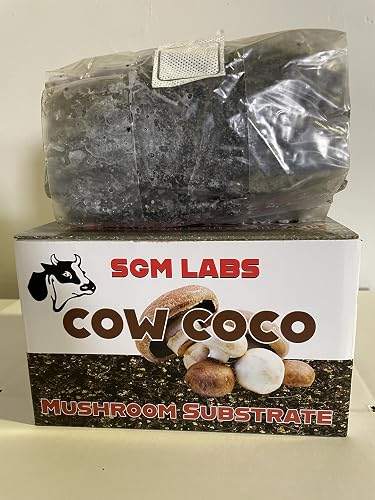
Prime SGM LABS 5 LB Coco Mushroom Substrate with Cow

Prime SGM LABS 10 LB Coco Mushroom Substrate CVG

Prime North Spore Boomr Bag Mushroom Substrate 5 lb

Prime Mycelium Masters Mix Mushroom Substrate 24lb

Prime Master's Mix Mushroom Substrate Pellets 10lb
As an Amazon Associate we earn from qualifying purchases. Product prices and availability are accurate as of the date/time indicated.
Pros
- Uses the original proven ABG recipe for consistent results
- Retains moisture while draining well to support roots and prevent soggy conditions
- Long lasting mix suited for stable, long term bioactive setups
- Excellent for culturing springtails, isopods and other beneficial invertebrates
- Easy to handle after pre-mixing and light moistening
Cons
- Requires pre-mixing and moistening before use to control dust
- 4-quart bag may not be enough for large enclosures, larger builds need multiple bags
- Moisture focused tropical blend is not suited for arid or desert species
Josh's Frogs ABG Mix is a 4-quart bioactive substrate based on the original Atlanta Botanical Garden recipe. It is built for keepers of dart frogs, geckos, tropical plants and houseplants who want a stable, living ecosystem.
The blend of charcoal, milled sphagnum moss, pine bark, tree fern and peat balances moisture retention with airflow and drainage. In real use, it keeps roots hydrated without staying soggy while giving springtails and isopods plenty of shelter to thrive.
Texture is loose, airy and consistent, with ingredients that break down slowly for long term vivarium use. Pre-mixing the bag and moistening with distilled or reverse osmosis water keeps dust down and makes planting easy.
It is not a fit for every setup, as the moisture loving formula suits tropical species more than arid reptiles. The 4-quart size also works best for nano tanks and starter vivariums, so larger builds will need extra bags.
Overall, this is a trusted, vivarium ready foundation for healthy plants and active cleanup crews. If you want a proven, low maintenance bioactive mix, this is an easy recommendation.
Brand: Josh's Frogs, Style: Tropical bioactive terrarium mix for vivariums and houseplants.
Unit Count: 128 ounce, 4 quart, 1 gallon bag. UPC: 856106005049.
Ingredients: Charcoal, milled sphagnum moss, pine bark, tree fern fiber and peat for balanced drainage, moisture and aeration.
Pre-mix the bag thoroughly to evenly distribute charcoal, bark, moss and fiber. Moisten lightly with distilled or reverse osmosis water before adding to reduce dust and ease handling.
Add a drainage layer if needed, then spread the ABG mix to your desired depth for planting. Introduce springtails and isopods after planting to help establish a balanced bioactive habitat.
Pros
- Fast colonization reported by beginners and experienced growers
- Clean performance with strong contamination resistance
- Holds moisture well without need for rehydration
- Truly ready to use right out of the bag
- Works for multiple methods including monotubs and in bag grows
Cons
- 5 LB size may require multiple bags for large monotubs or bulk runs
- Pre-hydrated format is heavier and bulkier to store than dry coir bricks
- Natural manure based mix may have an earthy odor during setup
The SGM LABS 5 LB Cow Coco Substrate is a pre-hydrated CVG blend made with coco coir, cow manure, vermiculite and gypsum. It is built for first time growers, hobbyists and bulk cultivators who want a ready to use fruiting substrate without mixing their own.
In real world use, it stands out for fast colonization and reliable fruiting performance in monotubs and grow in bag setups. Reviewers consistently note clean runs with strong moisture retention, often reporting no need to mist again after spawning.
The substrate arrives pre-hydrated in a 0.2 micron filter bag that allows gas exchange while limiting contaminants. Each bag includes a production date and batch number sticker, which adds confidence in freshness and small batch quality control.
The main tradeoff is size and format, since larger tubs will need multiple bags and the pre-hydrated weight is bulkier than dry coir bricks. The manure enriched formula can also have a natural earthy smell during setup.
Overall, this is an excellent plug and play substrate for growers who value convenience, consistency and yield. If you want to skip pasteurizing and mixing and get straight to spawning, it is a smart, dependable choice.
Brand: SGM LABS, Model Number: 5lbcowcocosubstrate, Item Type: cowcoco, Style: Modern.
Unit Count: 80 Fluid Ounces, Item Weight: 5 pounds, Volume: 6.54 quarts.
Mix: Coco coir, cow manure, vermiculite and gypsum in a pre-hydrated 0.2 micron filter bag for monotub, casing or in bag growing.
Use this substrate straight from the bag with no mixing or hydrating required. Simply dump into a clean monotub or spawn your colonized grain directly into the CVG bag.
Maintain proper fresh air exchange and stable temperatures during colonization and fruiting. The pre-hydrated formula is designed to hold moisture, so avoid over misting early on.
For best results, keep your work area clean during transfer and follow standard spawn to substrate ratios. Store unopened bags in a cool, dry place and check the batch date sticker for freshness.
Pros
- Perfectly hydrated out of the bag with no prep work required
- Clean sterilized substrate with strong resistance to contamination
- Fast colonization reported by beginner and experienced growers
- Flexible use in monotubs, as casing, or in bag growing
- Quality CVG plus cow manure for improved nutrition and yields
Cons
- Spawned grain must be purchased separately to start growing
- 10 lb size may require multiple bags for large monotubs or bulk runs
- Sterility depends on careful handling once the bag is opened
This 10 lb Cow Coco substrate from SGM LABS is a sterilized CVG mix made for mushroom fruiting in monotubs, as casing, or directly in the bag. It is built for first time growers, hobbyists, and bulk cultivators who want a ready to use solution without mixing their own substrate.
The blend combines coco coir, cow manure, vermiculite, and gypsum to supply nutrition, moisture retention, and structure for mycelium growth. In real world use, growers report fast colonization, ideal hydration, and clean runs with no contamination when good sterile technique is followed.
Build quality centers on the pre-hydrated 0.2 micron filter bag that keeps the substrate sterile until you are ready to inoculate. The 10 pound, 7 liter fill provides solid volume for standard tubs while staying manageable to pour, mix, and store.
There are a few limits to plan for, including the need to supply your own spawned grain and maintain sterility after opening. Large scale grows may need multiple bags, and the bag is bulky to handle and store compared to dry compressed bricks.
Overall, this is a reliable, beginner friendly, high yield substrate that removes guesswork from prep and hydration. If you want consistent moisture, clean performance, and flexible growing options, it is an excellent choice for your next run.
Brand: SGM LABS, Item Type: Cow Coco CVG Substrate, Weight: 10 pounds
Volume: 7 liters, Unit Count: 160 fluid ounces, Style: Modern
Material Blend: Coco coir, cow manure, vermiculite and gypsum, Bag Filter: 0.2 micron sterilized fruiting bag
Use Methods: Monotub fill, casing layer, or grow in bag, Manufacturer Part Number: 10lbcowcocosubstrate
Pros
- Ready to use sterile substrate saves time versus sourcing, hydrating and pasteurizing manure at home
- Manure plus coco coir formula supports strong yields and large fruits according to grower feedback
- Versatile for monotubs, bags, trays and outdoor beds
- Responsive brand support with replacements reported for contamination issues
Cons
- Hydrated manure substrate has limited shelf life and should be used promptly to avoid gnats or spoilage in storage
- Occasional contamination has been reported, so inspection before spawning to bulk is important
- Eight bag bulk pack is heavy and bulky to store for small scale or occasional growers
The North Spore Boomr Bag 8-Pack is a sterile, manure-based bulk substrate designed for dung-loving mushroom species. It is made for hobbyists and experienced growers who want to skip mixing and pasteurizing and move straight to spawning to bulk.
Each 5 lb bag combines composted horse manure, coco coir and select supplements hydrated to field capacity. Growers report good colonization, strong yields and large fruits when paired with healthy grain spawn at the recommended ratio.
The bags arrive pre-sterilized with a filter patch that supports clean handling for monotubs, bags, trays and outdoor beds. Build quality feels consistent and professional, and the Made in USA formulation reflects years of refinement for bulk grows.
The hydrated manure mix is perishable, so it should be used promptly rather than stored for months where gnats or contamination can develop. A few users have also reported isolated contaminated bags, though the brand is noted for responsive replacements.
For growers focused on convenience, consistency and yield, the Boomr Bag 8-Pack is a reliable bulk option. It is especially well suited to monotub and bulk growers running multiple tubs who want a trusted ready to use substrate.
Brand: North Spore
Product: Boomr Bag Manure-Based Bulk Mushroom Substrate
Bag Size: 5 lb per bag, hydrated to field capacity
Pack Size: 8 bags, 40 lb total weight
Best For: Dung-loving species in monotubs, filter bags, trays and outdoor beds
Recommended Ratio: 1 colonized grain spawn bag to 2 to 3 Boomr Bags
Mix one fully colonized grain spawn bag with two to three Boomr Bags for reliable colonization. Higher spawn rates can improve speed and success, especially for beginners.
Use the mix in a monotub, filter bag, tray or outdoor bed, or fruit directly from the bag in a humidity controlled tent. Keep conditions clean and maintain proper humidity and fresh air exchange.
Store unopened bags cool and use promptly, and always inspect for off smells, mold or pests before mixing. Contact the manufacturer right away if you suspect contamination.
Pros
- Large 24 lb four pack offers excellent volume for multiple grows
- Pre-sterilized and fully hydrated to save hours of prep and reduce contamination risk
- Balanced oak and soy hull nutrition supports fast colonization and high yields
- Versatile format works with grow bags, monotubs and bulk setups
- Clean, non-GMO USA ingredients made in small batches
Cons
- Requires separate colonized grain spawn, not an all in one grow kit
- Formulated only for wood loving species, not suitable for button or manure loving mushrooms
- Bulky 24 pound set needs cool dry storage and prompt use once opened
The Mycelium Masters Mix is a bulk mushroom substrate set with four sealed 6 lb bags for 24 lbs total. It uses a 50/50 blend of oak and soy hulls and is made for home growers and hobbyists focused on gourmet wood loving species.
Standout performance comes from the balanced nutrition profile. Oak provides a long lasting base while soy hulls give fast access energy, which supports quick colonization, strong mycelial growth and multiple productive flushes when paired with quality grain spawn.
Build quality is geared for convenience and cleanliness. Each bag arrives pre-sterilized and fully hydrated, so you simply mix with colonized spawn in a bag, monotub or bulk chamber. Small batch production in California with non-GMO farm ingredients adds consistency.
Drawbacks are typical for bulk substrate. You will need to supply your own grain spawn and practice sterile handling, and the formula is not intended for manure loving varieties. The large volume also requires proper storage to keep unused bags fresh.
Final verdict: this is a strong time saving choice for growers who already run bags or monotubs and want reliable bulk substrate for Lions Mane, Oyster, Shiitake and Reishi. If you want fast prep and high yield potential, it is well worth considering.
Brand: Mycelium, Model 2013, Masters Mix Substrate 6 lbs 4 pack
Total weight: 24 pounds in four individual 6 lb pre-sterilized bags
Formula: 50/50 oak and soy hull blend, fully hydrated and ready to inoculate
Best for: Lions Mane, Oyster, Shiitake, Reishi and other wood loving gourmet mushrooms
Use with: Colonized grain spawn in mushroom grow bags, monotubs and bulk cultivation setups
Start with clean hands, sanitized tools and fully colonized grain spawn. Open one 6 lb bag only when you are ready to inoculate to preserve sterility.
Mix spawn evenly into the substrate in a grow bag or monotub, then incubate in a warm, dark place until fully colonized. Follow with proper fresh air, humidity and light for fruiting.
Harvest between flushes and maintain humidity for additional flushes. Seal and store unopened bags in a cool, dry place and use promptly after opening.
Pros
- High nutrient 50/50 blend supports vigorous mycelium growth and heavier yields
- Compatible with multiple gourmet wood loving species for versatile growing
- Pellet format is easy to measure, hydrate, store and transport
- Suitable for both small home grows and larger bag based production setups
Cons
- Requires precise hydration and pressure sterilization before inoculation, not ready to fruit
- Nutrient enriched soy blend is more contamination sensitive and needs good sterile technique
- Learning curve for beginners unfamiliar with field capacity, bagging and spawn rates
Master's Mix Mushroom Substrate Pellets are a 10lb, 50/50 blend of hardwood and soybean hull pellets designed for gourmet mushroom cultivation. It is made for beginners using grow bags as well as experienced and small commercial growers who want repeatable results.
The standout is the nutrition profile, with hardwood supplying carbon structure and soy hulls adding nitrogen for vigorous mycelial growth. In practice, that balance supports faster colonization and denser first flushes for oyster, lion's mane, chestnut, enoki and other wood loving species.
The pelletized format is clean, compact and easy to store compared to loose sawdust. Once water is added to reach 60 to 65 percent moisture, pellets expand evenly for consistent texture and reliable bag filling.
This is not an instant, ready to fruit product, since it must be hydrated precisely and pressure sterilized before inoculation. The enriched soy content can also be more sensitive to contamination if sterile technique slips.
For growers comfortable with sterilization and grain spawn, this is a proven, high yield foundation that simplifies mixing and scaling. If you want bigger flushes and faster turnarounds from gourmet wood lovers, it is a smart upgrade from plain hardwood.
Blend: 50 percent hardwood pellets, 50 percent soy hull pellets for balanced carbon and nitrogen.
Form: Pelletized substrate in 10lb bag for uniform mixing and compact storage.
Target moisture: 60 to 65 percent at field capacity after hydration.
Compatibility: Grow bags, containers and monotubs for wood loving gourmet species.
Preparation: Hydrate, expand, sterilize, then inoculate with grain spawn.
Mix pellets with clean water to reach field capacity around 60 to 65 percent moisture and let them fully expand.
Load the hydrated mix into mushroom grow bags or containers and pressure sterilize before inoculation.
Inoculate with quality grain spawn, then incubate in clean conditions until fully colonized before fruiting.
Matching Gear to Your Grow
Use these scenarios to narrow your pick quickly. Each one pairs a common goal in 2026 with the format and handling style that tends to work best.
If you want lion’s mane or oyster in bags with no sterilizer, choose pre sterilized and fully hydrated. The Mycelium Masters Mix Mushroom Substrate 4-Pack illustrates this approach with four pre sterilized, fully hydrated 6 lb bags for 24 lbs total, made for mixing with colonized grain spawn for gourmet wood lovers. You avoid hydration math and heat processing, so you can focus on clean inoculation, proper seal closure, and steady incubation. Pair it with ideas from this Masters Mix substrate for monotub guide if you later want to compare bag fruiting with bulk tub methods.
If you own sterilization equipment and want control over cost per bag, choose dry pellets. The Master’s Mix Mushroom Substrate Pellets shows that style with a balanced hardwood and soy hull pellet blend designed for hydrating to field capacity and sterilizing for custom bags. This suits growers who run large batches for grow bags or monotubs and who are comfortable with measuring water, allowing full cool down, and spawning cleanly. For species specific prep notes, review this hardwood substrate for lion’s mane guide before you scale up.
If you grow dung lovers in a monotub, or you are building a planted terrarium rather than a mushroom bag, skip hardwood heavy blends. The North Spore ‘Boomr Bag’ Mushroom Bulk Substrate represents a sterile manure based bulk substrate with composted horse manure and coco coir, hydrated to field capacity and intended for monotubs, filter bags, and outdoor beds. The 5 LBS Coco Mushroom Substrate with Added Cow and the larger 10 LBS Coco Mushroom Substrate with Added Cow follow the same coco, manure, vermiculite, and gypsum logic for growers who want ready to use monotub fill. And the Josh’s Frogs ABG Mix Bioactive Terrarium Substrate is a charcoal, sphagnum, bark, and peat blend for plants and clean up crews, not for grain spawn. If humidity control is your challenge, see this substrate for lion’s mane in a Martha tent resource for setup context.
Common Mistakes
Adding water by eye until it looks wet. Pellet blends need even hydration to field capacity, not a soak. Add water in stages, mix thoroughly, and check for a moist crumble with no puddling. Soggy bags invite sour odors and patchy colonization that never recovers.
Treating supplemented sawdust like plain coco coir. Plain coco can succeed with pasteurization, but hardwood plus soy hull nutrition is much richer and calls for complete sterilization and careful cool down. Under processing, overfilling bags so heat cannot penetrate, or opening warm bags early are common reasons for green mold a few days after spawning.
Spawning in open, dusty air or handling bags roughly. Even a quality sterile bag fails if you pour grain in a breezy room, touch the bag interior, or puncture the filter. Work in still air, sanitize hands and tools, seal promptly, and let the mix colonize undisturbed before cutting fruiting slits or moving to bulk.
Who Should Wait or Buy Differently
If you only grow button style dung lovers, maintain bioactive reptile habitats, or do not have a clean space for grain spawn handling, a hardwood heavy sterile blend is not ideal for you right now. You will get cleaner results from a manure and coco bulk substrate for monotubs, or from a plant safe terrarium blend for vivariums, and you can revisit supplemented sawdust when you shift to oyster, lion’s mane, shiitake, or reishi with proper sterile workflow.
Frequently Asked Questions
Do you need to sterilize pre sterilized Master’s Mix again?
No, if the bag arrives sealed and intact, you can inoculate directly without reprocessing. Inspect for punctures, excess pooling, or sour smells first. If the seal is broken or you repack the substrate, you should sterilize the new containers fully before use.
Can you use Master’s Mix in a monotub?
You can, but most growers reserve it for bag fruiting of wood lovers because supplemented sawdust is prone to contamination in open tubs. If you try a tub, use a high spawn ratio, keep the layer even, and maintain clean, stable humidity. For dung loving monotub runs, a manure and coco blend is usually the simpler path.
How should you store sterile bags and dry pellets?
Keep sealed sterile bags cool, clean, and undisturbed until spawning day, and use them promptly once opened. Keep dry pellets sealed in a dry area away from moisture and pests until you hydrate. In both cases, avoid compression, sharp folds, and warm storage that can encourage microbial activity.



Write Your Review
No reviews yet. Be the first to share your experience!