

If you are shopping for substrate for oyster mushroom setup ideas for martha tent grows, your main decision is not which bag looks biggest. It is how to match nutrition, moisture handling, and prep style to a humid tent with steady airflow and open shelving. Oysters are aggressive wood lovers, so the mix you pick shapes colonization pace, cluster density, and how much daily care you will manage. Updated in November 2026, this framework reflects what we see working for home tent growers.
Before you buy, weigh your species focus, batch size, budget comfort, and experience level. A beginner running a couple of small bags on a single shelf needs a different format than a hobbyist filling a full tent on rotation. Our approach is to compare ingredient fit first, then prep style, then shelf practicality, with links to our Martha tents and fruiting chambers resources where you need setup help.
What Actually Matters
Oyster mushrooms love a Martha tent because you can hold humidity high while giving them constant fresh air. Substrate choice controls how well that balance holds through pinning and harvest. Here is how to weigh the core variables before you spend.
Nutrition Match: Wood Lovers Versus Manure Mixes
Oysters in nature colonize hardwood, straw, and other woody residues. They respond strongly to soy hulls blended with hardwood, often called Masters Mix style blends, and to plain hardwood pellets. Those woody, high nutrition mixes support dense pin sets and meaty clusters without extra nitrogen from manure.
Coco coir, vermiculite, and gypsum blends, sometimes enriched with cow manure, are built more for dung loving species. You can fruit oysters on them, but results are often softer and less consistent than on wood based nutrition. If oysters are your main crop, lean toward soy hull and hardwood nutrition, and save manure enriched CVG for other species. You can compare wood forward options in our Masters Mix substrate for monotub breakdown.
Hydration Format: Dry Mix, Pre-Hydrated, or All-in-One
Dry mixes ship light and store well in a closet. You add boiling water at home, often in a 5-gallon bucket, and let the mass hydrate to field capacity over many hours. That format gives you control and compact storage, but you handle hydration and pasteurization yourself.
Pre-hydrated bags arrive ready to mix with spawn, which saves time and reduces mess in a small kitchen. All-in-one grain plus substrate bags go a step further and include both spawn nutrition and fruiting substrate behind a filter patch. Choose dry if you like process control and bulk value, pre-hydrated if you want to skip soaking, and all-in-one if you want a self contained bag you can fruit right on the shelf.
Cleanliness and Prep for a Humid Tent
A Martha tent holds moisture on every surface, so any contamination in substrate spreads quickly from bag to bag. Look for products that describe sterilized or pasteurized preparation and a fine filter for gas exchange, such as a 0.2-micron patch. That level of filtration supports clean colonization while still allowing the mycelium to breathe.
At home, keep your prep area tidy, hydrate with clean boiling water, and allow a full pasteurization rest rather than rushing to spawn. Avoid opening bags in a drafty room or next to a humidifier output. If you are new to clean handling, our Sterilization and Pasteurization hub explains the basic workflow in plain terms.
Bag Shape, Size and Shelf Fit
Martha tents reward bags that stand upright, drain well, and leave space for airflow between shelves. A 4LB all-in-one bag fits neatly beside humidifier tubing and can fruit through a cut slit without a tray. Larger bulk bags in the 5 LB to 10 LB range are better when you plan to spawn to trays or fill several smaller fruiting bags at once.
Think in terms of harvest rhythm rather than sheer volume. Small bags let you stagger start dates so you always have something pinning. Big bulk bags make sense if you run the whole tent as one batch and have tubs or trays ready. If you are short on space, start small and scale once you dial in humidity and airflow.
To illustrate those tradeoffs, here are a few options that show the range from dry CVG to wood based pellets to ready to fruit bags. We assessed them for ingredient fit, prep style, and tent friendliness for oyster growers.
This article contains affiliate links. If you buy through one of our links, FungiPop may earn a commission at no extra cost to you. Commissions never influence which products we recommend or how we rank them. Read our Affiliate Disclosure for details.
Quick Picks at a Glance

Prime Boomer Shroomer CVG Mushroom Substrate
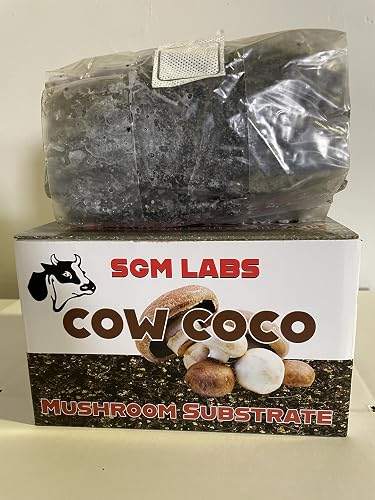
Prime SGM LABS 5 LB Coco Mushroom Substrate with Cow

Prime NuBlume All-in-One Mushroom Grow Kit 4LB Grow Bag

Prime MushroomMediaOnline 100% Soy Hull Pellets 10 lb

Prime SGM LABS 10 LB Coco Mushroom Substrate CVG
As an Amazon Associate we earn from qualifying purchases. Product prices and availability are accurate as of the date/time indicated.
Pros
- Balanced CVG blend designed specifically for mushroom cultivation
- Excellent moisture retention with added aeration from vermiculite
- Large yield covers two monotubs from one bag
- Easy to store dry mix with long shelf life
Cons
- Requires boiling water, a 5 gallon bucket and a 24 hour pasteurization wait
- Bucket and other prep supplies are not included
- Fixed blend ratio offers less customization for advanced recipes
The Boomer Shroomer Dry Bulk Substrate is a ready to mix CVG blend of coco coir, vermiculite and gypsum for mushroom cultivation. It is built for hobby mycologists and beginners doing spawn to bulk transfers in monotubs, trays or filter bags.
In use, you simply add 16 cups of boiling water in a 5 gallon bucket and let it pasteurize for 24 hours to reach field capacity. The hydrated mix delivers about 9 lbs of airy, moisture retentive substrate that supports fast colonization and multiple flushes.
The ingredient quality stands out, with coco coir for water holding, vermiculite for aeration and gypsum for pH stability. The dry format keeps everything fresh in storage, lightweight to handle, and less prone to contamination than pre hydrated products.
The main tradeoff is prep time, since you need boiling water, a bucket and a full day wait before use. Growers who want instant ready to use substrate or custom ratios will need to look elsewhere or adjust on their own.
Overall, this is a reliable, beginner friendly bulk substrate that simplifies monotub growing without sacrificing performance. If you want a consistent CVG base for two full tubs, it is an easy recommendation.
Brand: Boomer Shroomer, Model: BSBULK001, Type: Dry CVG bulk substrate. Includes 500g coco coir, 500g vermiculite and 100g gypsum.
Hydrated yield is about 9 lbs, enough for two monotubs. Dry weight is 1.15 kg with a 5 gallon prep volume using bucket tek.
Add the dry mix to a clean 5 gallon bucket, pour in 16 cups of boiling water, seal and let pasteurize for 24 hours. Check for field capacity where the mix holds moisture without dripping.
Mix with fully colonized grain spawn for spawn to bulk transfer in monotubs, trays or bags. Maintain proper humidity and fresh air exchange for colonization and fruiting.
Pros
- Fast colonization reported by beginners and experienced growers
- Clean performance with strong contamination resistance
- Holds moisture well without need for rehydration
- Truly ready to use right out of the bag
- Works for multiple methods including monotubs and in bag grows
Cons
- 5 LB size may require multiple bags for large monotubs or bulk runs
- Pre-hydrated format is heavier and bulkier to store than dry coir bricks
- Natural manure based mix may have an earthy odor during setup
The SGM LABS 5 LB Cow Coco Substrate is a pre-hydrated CVG blend made with coco coir, cow manure, vermiculite and gypsum. It is built for first time growers, hobbyists and bulk cultivators who want a ready to use fruiting substrate without mixing their own.
In real world use, it stands out for fast colonization and reliable fruiting performance in monotubs and grow in bag setups. Reviewers consistently note clean runs with strong moisture retention, often reporting no need to mist again after spawning.
The substrate arrives pre-hydrated in a 0.2 micron filter bag that allows gas exchange while limiting contaminants. Each bag includes a production date and batch number sticker, which adds confidence in freshness and small batch quality control.
The main tradeoff is size and format, since larger tubs will need multiple bags and the pre-hydrated weight is bulkier than dry coir bricks. The manure enriched formula can also have a natural earthy smell during setup.
Overall, this is an excellent plug and play substrate for growers who value convenience, consistency and yield. If you want to skip pasteurizing and mixing and get straight to spawning, it is a smart, dependable choice.
Brand: SGM LABS, Model Number: 5lbcowcocosubstrate, Item Type: cowcoco, Style: Modern.
Unit Count: 80 Fluid Ounces, Item Weight: 5 pounds, Volume: 6.54 quarts.
Mix: Coco coir, cow manure, vermiculite and gypsum in a pre-hydrated 0.2 micron filter bag for monotub, casing or in bag growing.
Use this substrate straight from the bag with no mixing or hydrating required. Simply dump into a clean monotub or spawn your colonized grain directly into the CVG bag.
Maintain proper fresh air exchange and stable temperatures during colonization and fruiting. The pre-hydrated formula is designed to hold moisture, so avoid over misting early on.
For best results, keep your work area clean during transfer and follow standard spawn to substrate ratios. Store unopened bags in a cool, dry place and check the batch date sticker for freshness.
Pros
- Complete all in one kit includes incubation box, gloves, prep wipes, clips and instruction guide
- Beginner friendly with clear written and video instructions plus highly rated customer service
- Self contained bag and box design helps control humidity and reduce side pinning
- Large 4LB capacity supports bigger yields across multiple flushes
- USA made quality with professional grade filtration and self-healing port
Cons
- Culture not included, so you must source spores or liquid culture separately
- Success depends on sterile technique and proper inoculation, with several weeks of patience required
- Large bag needs dedicated indoor tabletop space during colonization and fruiting
The NuBlume All-in-One Mushroom Grow Kit is a 4 pound grain and substrate bag designed for first time growers and home hobbyists. You add your own culture, so it works as a universal base for many gourmet and medicinal mushroom varieties without extra gear.
Standout performance comes from the fast colonizing grain blend and nutrient rich substrate built for multi-flush output. Users report visible mycelium growth in days and strong first flushes, with the self regulating bag carrying the grow from inoculation to fruiting.
Build quality feels thoughtful and professional, centered on a self-healing injection port and 0.2-micron filter for clean inoculation and steady air exchange. The included incubation box, gloves, prep wipes, sealing clips and guide keep the process tidy and beginner friendly.
There are tradeoffs to know before buying. No culture is included, results still depend on clean technique, and you will need patience plus stable indoor space while the bag colonizes and fruits.
Overall, this is an excellent pick for beginners who want maximum simplicity and yield potential in one bag. If you want a complete, low maintenance starter system backed by strong support, it is easy to recommend.
Kit Type: All-in-one 4LB grain and substrate grow bag for indoor tabletop use. Just add your own culture to start.
Key Design: Self-healing injection port plus 0.2-micron filter patch for clean inoculation and optimized gas exchange.
Included: 4LB grow bag, custom incubation box, instruction guide, disposable gloves, prep wipes, sealing clips and rubber band.
Size and Style: Rectangular clear bag, approximately 6 x 8 x 5 inches, designed to fruit inside its incubation box.
Pros
- Single-ingredient, nutrient-rich formula with no fillers
- Promotes strong mycelium growth and fast colonization
- Easy to hydrate, mix and sterilize before inoculation
- Versatile for multiple gourmet species and masters mix recipes
- Suitable for beginners and experienced growers
Cons
- Requires hydration and sterilization before use, not ready to fruit out of bag
- Best performance requires blending with hardwood pellets, which adds prep time
- 10-pound size may run out quickly for continuous large scale production
MushroomMediaOnline Soy Hull Pellets are a single ingredient substrate made from 100 percent soy hulls and packaged in a 10 pound bag. They are built for hobbyists and small scale growers who want a reliable base for gourmet mushroom cultivation.
Standout performance comes from the nutrient rich formula that supports vigorous mycelium growth and faster colonization. In real world use, growers get strong flushes with oyster, shiitake, lion's mane and other edible species, especially when blended into a masters mix.
The pellet form is clean, compact and easy to store, hydrate and sterilize before inoculation. It breaks down evenly with water for consistent moisture retention and uniform texture across batches.
The main tradeoff is prep work, since pellets must be hydrated and sterilized and often mixed with hardwood fuel pellets for best results. Beginners will need a pressure cooker or steamer and a basic understanding of sterile technique.
Overall, this is a dependable, versatile substrate for anyone serious about growing gourmet mushrooms at home or on a small commercial scale. If you want fast colonization and consistent yields from a pure soy hull base, it is an excellent choice.
Brand: MushroomMediaOnline, Model: mush-soy-1, Form: Pellet. Net weight: 10 pounds, made from 100 percent soy hulls with no added fillers.
Target species include oyster mushrooms, shiitake, lion's mane and other gourmet varieties. Designed for mixing with hardwood pellets or using as a nutrient supplement in custom substrate blends.
Hydrate pellets with water until they expand and reach field capacity, then mix with hardwood fuel pellets if making a masters mix. Sterilize in a pressure cooker or steam sterilizer before cooling and inoculating with grain spawn.
Incubate in a clean environment until fully colonized, then move to fruiting conditions with fresh air and humidity. Store unused pellets in a cool, dry place to maintain freshness.
Pros
- Perfectly hydrated out of the bag with no prep work required
- Clean sterilized substrate with strong resistance to contamination
- Fast colonization reported by beginner and experienced growers
- Flexible use in monotubs, as casing, or in bag growing
- Quality CVG plus cow manure for improved nutrition and yields
Cons
- Spawned grain must be purchased separately to start growing
- 10 lb size may require multiple bags for large monotubs or bulk runs
- Sterility depends on careful handling once the bag is opened
This 10 lb Cow Coco substrate from SGM LABS is a sterilized CVG mix made for mushroom fruiting in monotubs, as casing, or directly in the bag. It is built for first time growers, hobbyists, and bulk cultivators who want a ready to use solution without mixing their own substrate.
The blend combines coco coir, cow manure, vermiculite, and gypsum to supply nutrition, moisture retention, and structure for mycelium growth. In real world use, growers report fast colonization, ideal hydration, and clean runs with no contamination when good sterile technique is followed.
Build quality centers on the pre-hydrated 0.2 micron filter bag that keeps the substrate sterile until you are ready to inoculate. The 10 pound, 7 liter fill provides solid volume for standard tubs while staying manageable to pour, mix, and store.
There are a few limits to plan for, including the need to supply your own spawned grain and maintain sterility after opening. Large scale grows may need multiple bags, and the bag is bulky to handle and store compared to dry compressed bricks.
Overall, this is a reliable, beginner friendly, high yield substrate that removes guesswork from prep and hydration. If you want consistent moisture, clean performance, and flexible growing options, it is an excellent choice for your next run.
Brand: SGM LABS, Item Type: Cow Coco CVG Substrate, Weight: 10 pounds
Volume: 7 liters, Unit Count: 160 fluid ounces, Style: Modern
Material Blend: Coco coir, cow manure, vermiculite and gypsum, Bag Filter: 0.2 micron sterilized fruiting bag
Use Methods: Monotub fill, casing layer, or grow in bag, Manufacturer Part Number: 10lbcowcocosubstrate
Matching Gear to Your Grow
If this is your first tent run with blue or pearl oysters and you want minimal prep, pair wood nutrition with a simple bag format. The Mushroom Media Online – 100% Soy Hull Mushroom gives you single ingredient soy hulls you can blend with hardwood for a rich oyster diet, and it supports strong mycelium growth with simple hydration. If you would rather skip mixing altogether, the Mushroom Grow Kit – All-in-One 4LB Grow Bag creates its own micro climate with a 0.2-micron filter patch and self healing port, so you can colonize and fruit in the same 4LB bag on a tent shelf. You should not buy the all-in-one if you want to learn bulk spawning or run large trays, because you cannot adjust the grain to substrate ratio.
If you run a full tent and fruit in trays, look for volume and moisture control. The 10 LBS Coco Mushroom Substrate with Added Cow arrives pre hydrated in a 0.2 micron bag and is described as ready to use right out of the bag, which helps when you want to fill several containers quickly. The Boomer Shroomer Dry Bulk Substrate for Mushroom is a dry mix with 500g coco coir, 500g vermiculite, and 100g gypsum that hydrates with boiling water in a 5-gallon bucket to about 9 lbs, enough for two full monotub grows, so it stores compactly until you need it. Both are CVG style blends, so for dedicated oyster runs they are less productive than wood based mixes, and the dry mix asks for a full pasteurization rest. Pair either approach with clean tray handling you can review in our monotub for oyster mushrooms beginner guide.
If you share a kitchen and want a single tent shelf without buckets of hot water, a mid size pre hydrated bag makes sense. The 5 LBS Coco Mushroom Substrate with Added Cow uses coco coir, cow manure, vermiculite, and gypsum in a 5 LB 0.2 micron bag, and you can mix spawn directly in the bag or dump to a small tub. It is easy for first time growers, but the manure enrichment is overkill for oysters and can invite gnats in a constantly damp tent if you leave spent blocks too long. For pure oyster runs, explore our Substrate, CVG and Bulk Amendments collection to compare wood forward choices side by side.
Common Mistakes
Picking manure heavy CVG as your main oyster diet. Oysters will colonize it, but clusters tend to be smaller and leggier than on soy hull and hardwood nutrition. Save CVG with cow manure for dung lovers and keep oysters on woody blends for denser flushes.
Overhydrating or packing bags tight on tent shelves. When substrate is soggy or pressed solid, airflow drops and the center stalls while the surface looks wet. Aim for field capacity where a firm squeeze yields only a few drops, and leave space between bags so mist and fresh air can circulate.
Rushing pasteurization and leaving spent blocks in the tent. Dumping spawn into a still warm mass or skipping the full rest invites mold that spreads fast in humidity. Harvest promptly, wipe shelves, and remove spent bags right after a productive flush rather than waiting for every last pin.
Who Should Wait or Buy Differently
If you only have a countertop fruiting box and no tent yet, or you grow mainly shiitake and lion’s mane on logs, this type of oyster focused tent substrate is not ideal for you right now. Wait until your Martha tent is running with stable humidity and airflow, then buy a small wood based bag first to confirm your routine before stocking bulk CVG.
Frequently Asked Questions
Can oysters fruit on coco coir and vermiculite in a Martha tent?
Yes, you can fruit oysters on coco coir, vermiculite, and gypsum, and many growers do for convenience. In a Martha tent the high humidity keeps those mixes moist, but wood based nutrition with soy hulls usually gives thicker clusters. If you use CVG, keep bags smaller and harvest early to avoid soggy stems.
Do soy hull pellets need clean preparation for oysters?
Soy hulls are nutrient dense, so clean preparation matters more than with plain coir. Most home growers hydrate with boiling water and allow a full pasteurization rest, or use a pressure routine for larger supplemented blocks. Always handle cooled substrate with clean hands and tools, and keep new bags away from spent ones.
How should I fruit oyster bags on tent shelves?
Stand bags upright with room for air movement and cut a small slit where you want pins to form. Keep mist off direct pins and let the tent fan cycle fresh air so caps stay firm and round. Remove or rest blocks between flushes and wipe shelves to limit mold buildup.


Write Your Review
No reviews yet. Be the first to share your experience!